In the vibrant world of competitive gaming, few regions embody passion and unpredictability like Southeast Asia. The SEA Dota2 Player Interviews reveal a community that has long been both admired and underestimated—a region brimming with creativity, individual brilliance, and cultural pride. For years, fans have witnessed SEA produce unforgettable talents such as Mushi, TIMS, Mac, and Bob, who carried the flag through countless international campaigns. Yet, despite the region’s undeniable flair, the elusive Aegis of Champions remains just beyond reach.
At the Asia Pacific Predator League 2025, held at MITEC Kuala Lumpur, SEA’s competitive flame burned brighter than ever. Thousands of fans gathered to celebrate the game’s heroes and newcomers, reigniting old rivalries between the Philippines, Malaysia, and Indonesia. Beneath the spotlight, however, lay deeper stories—of sacrifice, teamwork, and the emotional journey behind SEA’s enduring Dota 2 legacy. These interviews offer a closer look into the voices shaping the region’s past, present, and future.
Quick Look
Mushi’s View – SEA Dota2 Player Interviews
Source: JoinDota
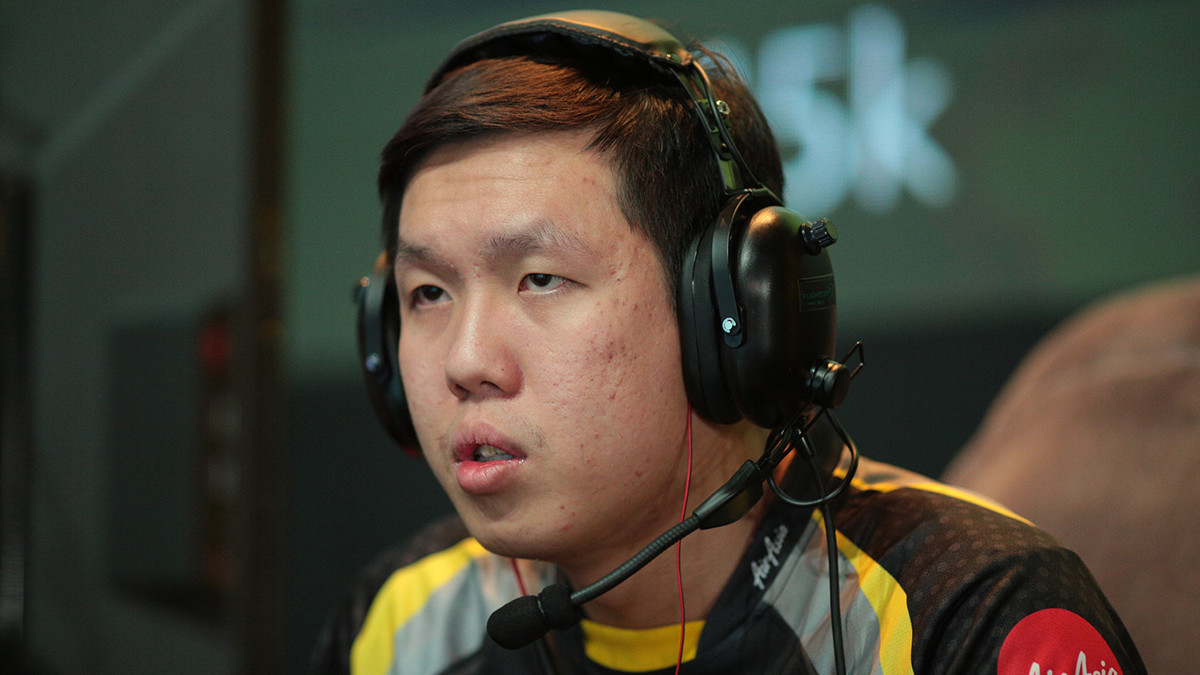
No conversation about SEA Dota 2 is complete without mentioning Chai “Mushi” Yee Fung—a Malaysian legend whose influence continues to echo throughout the scene. Now serving as Boom Esports’ coach and Predator League ambassador, Mushi remains one of the region’s most respected minds. His candid assessment of the scene cuts through nostalgia and straight to the truth:
“It’s not that SEA lacks skill—it’s that we lack competitiveness.”
Mushi believes SEA’s main struggle lies in mentality rather than mechanics. He points out how cultural comfort and early satisfaction often dampen progress. In Western regions, players spend long hours perfecting micro-decisions and refining teamwork. In contrast, SEA’s relaxed social culture sometimes prioritizes fun over focus, leading to inconsistency.
Yet, Mushi isn’t cynical—he’s hopeful. His philosophy revolves around unity and discipline. When he says the region is “lacking five of these players,” he’s referring to the need for synergy—five individuals who share one purpose. Mushi also highlighted Talon Esports and Aurora as models of current SEA excellence, organizations that prove structure and consistency can coexist with creativity. For Mushi, the dream of a disciplined, united SEA roster remains the key to global success.
New Blood, New Mindset – SEA Dota2 Player Interviews

While veterans set the stage, a new wave of SEA players is stepping into the spotlight with hunger and humility. Ivory Esports, one of the standout young teams from the Predator League, represents this fresh generation. Despite being underdogs, their players displayed confidence and composure—qualities that reflect SEA’s evolving attitude toward competition.
These younger players are defined by their blend of passion and pragmatism. They’ve grown up watching Mushi’s era but approach the game with modern insights, shaped by scrims, analytics, and international exposure. This shift can be seen in how teams handle losses. Instead of emotional burnout, they focus on long-term improvement, adopting practices that mirror global standards.
During the Predator League 2025, Ivory’s semi-final clash with Myth Avenue Gaming—a Malaysian team powered by veterans Bob and Erice—symbolized SEA’s generational transition. Though Ivory fell short, their gameplay showcased maturity, resilience, and coordination that rivaled seasoned teams. For many, their run proved that SEA’s new era isn’t waiting for a miracle—it’s building one match at a time.
The Predator League – SEA Dota2 Player Interviews
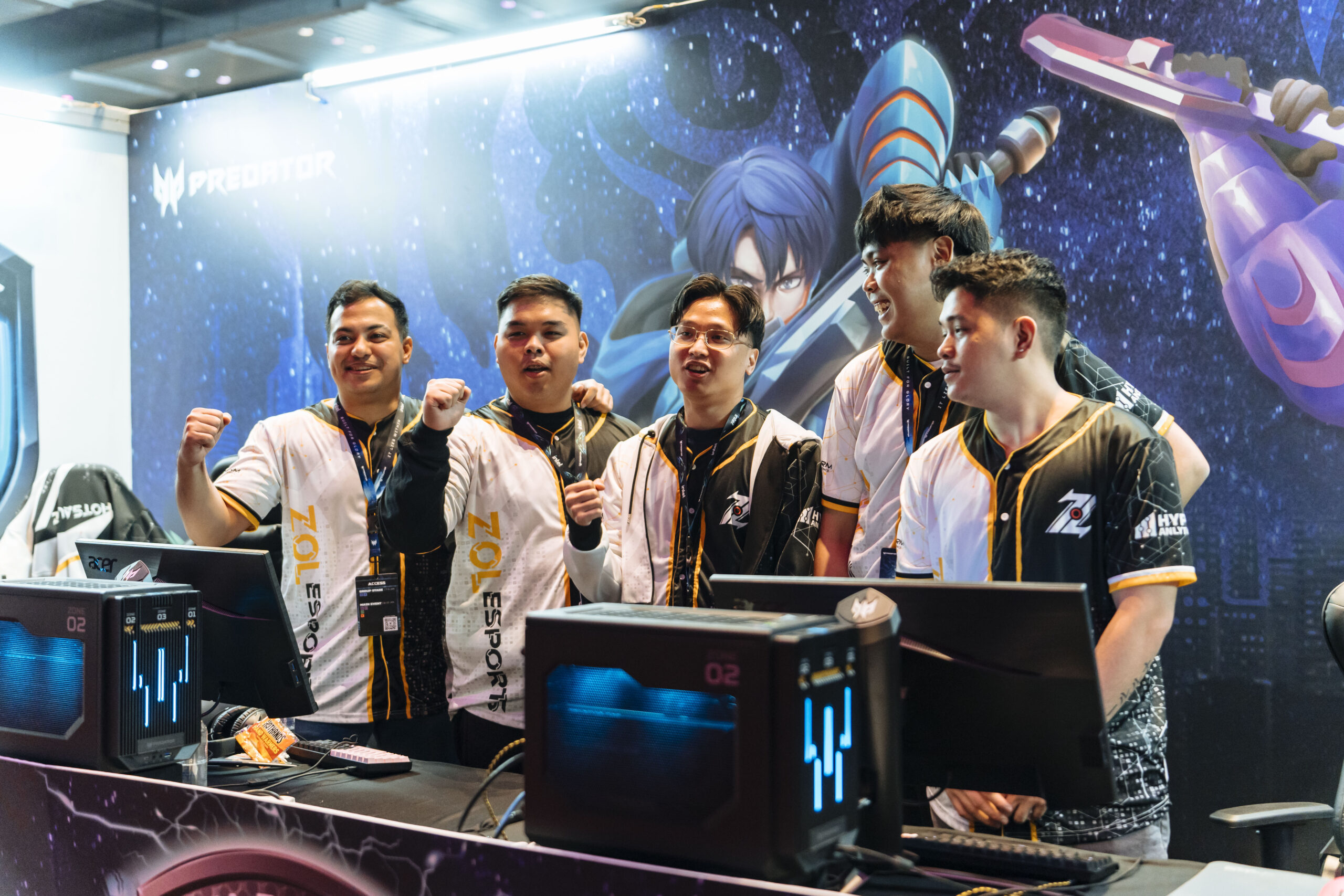
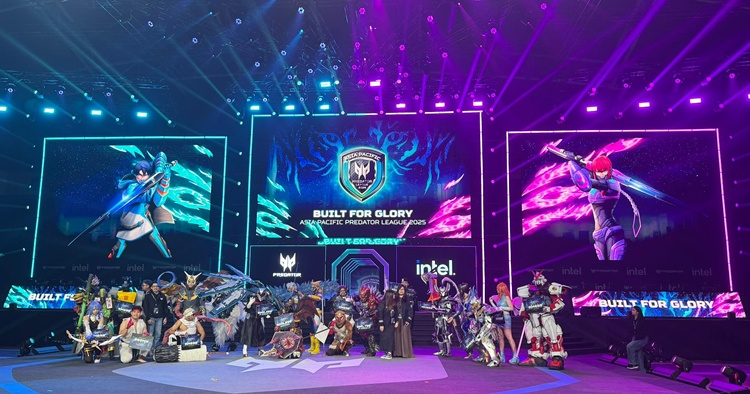
The Asia Pacific Predator League 2025 served not just as a tournament, but as a cultural celebration of SEA esports. Held in Malaysia, it gathered regional giants and rising squads under one roof, highlighting how far SEA has come in professionalism and presence. The venue buzzed with anticipation as national chants echoed across MITEC’s arena halls, blurring the line between competition and community celebration.
Key highlights included:
- ZOL Esports (Philippines) delivering a strong Valorant run, defeating Boom Esports before falling to Alter Ego in a tight grand final.
- Ivory Esports (Philippines) fighting their way into the Dota 2 semi-finals, embodying the spirit of SEA underdogs who play with heart over hierarchy.
While Philippine squads fell short of reclaiming the Predator Shield, the event itself marked a turning point. It showcased not just gameplay, but growth—teams arriving with analysts, managers, and coaches, a sign of SEA’s increasing organizational maturity. The league became a proving ground where experience met ambition, and regional pride once again took center stage.
Culture and Competitiveness
Every SEA Dota2 Player Interview leads back to one defining factor: culture. Mushi and others have emphasized that SEA’s distinct energy is both its advantage and its challenge. The same cultural traits that make SEA players unpredictable and fearless can sometimes hinder structure and discipline.
What defines SEA’s playstyle and mindset?
- Strengths:
- Creative drafting and instinct-driven gameplay.
- Emotional connection between players and fans.
- Adaptability in high-pressure situations.
- Weaknesses:
- Irregular practice routines.
- Lack of infrastructure compared to Western or Chinese orgs.
- Emotional swings that affect long-term focus.
Each SEA nation adds a different note to this cultural symphony:
- The Philippines brings heart and team chemistry.
- Malaysia contributes leadership and strategic balance.
- Indonesia introduces structure through teams like Boom Esports and Alter Ego, whose professionalism reflects an evolving esports model.
SEA’s cultural blend gives its players an edge in creativity, yet their next step lies in channeling that energy into sustained competitiveness—a balance between passion and precision.
A Shared Dream – Charting SEA’s Future in Dota 2
As these SEA Dota2 Player Interviews reveal, the region’s journey is one of perseverance, self-awareness, and renewal. Legends like Mushi continue to mentor and inspire, while young talents push the boundaries of what SEA can achieve on the international stage. The region is no longer defined by potential—it’s defined by progress.
The next chapter for SEA Dota 2 will depend on its ability to merge experience with innovation. If five players can share one goal, if passion meets structure, SEA’s long pursuit of the Aegis may finally find its resolution.
The voices from this region echo with hope and honesty. From Malaysia’s veteran mentors to the Philippines’ fearless youth and Indonesia’s organized ascent, SEA’s collective heartbeat grows louder each year. And as the interviews remind us, Dota 2 in Southeast Asia isn’t just a game—it’s a shared story of talent, resilience, and unity waiting for its ultimate victory.
FAQs
Q1:How do SEA Dota 2 teams balance regional pride with global competitiveness? ▼
Q2:What lessons can rising SEA players learn from veterans like Mushi and WinteR? ▼
Q3:How important are grassroots tournaments like Predator League to SEA’s esports ecosystem? ▼
Q4:What makes SEA’s Dota 2 playstyle unique compared to other regions? ▼
Q5:How do international tournaments influence SEA players’ growth and mindset? ▼
About the Author