Championship teams don’t just chase trophies—they build legacies. For Fnatic, that philosophy is shaping how their leadership approaches VCT 2026. While immediate performance remains the priority, their eyes are firmly on the horizon. From academy development to regional scouting and player retention, Fnatic 2026 VCT leadership has crafted a long-term blueprint that balances winning today with sustaining excellence tomorrow.
The importance of succession planning in esports leadership (Fnatic 2026 VCT leadership)


Esports careers move fast. Players peak earlier, metas evolve monthly, and burnout can reset rosters overnight. That’s why effective leadership must include succession planning—the ability to replace experience without losing identity. For Fnatic, succession isn’t a reactive process; it’s strategic. Leadership identifies potential gaps seasons in advance, ensuring that if a key player moves on, the next generation is ready to fill the void seamlessly.
Fnatic’s recruitment strategy: academy, scouting and backups


Fnatic’s recruitment model now resembles a professional sports organisation more than a gaming team. Their academy system serves as a proving ground for emerging talent, blending mentorship from veterans with structured performance metrics. Meanwhile, a global scouting network monitors rising stars across Europe, APAC, and LATAM. Analysts evaluate players not only for raw mechanics but also for communication, adaptability, and alignment with Fnatic’s team culture. Backups are trained in parallel systems, ensuring minimal disruption if roster changes occur mid-season. Source: Esports.net
Leadership’s role in integrating new talent while maintaining performance (Fnatic 2026 VCT leadership)


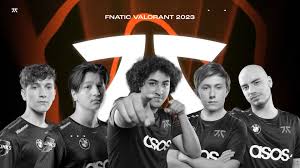
Recruitment is one thing; integration is another. Fnatic’s leadership recognises that onboarding new players can strain chemistry if mishandled. The coaching staff and senior players act as anchors, offering guidance on structure, expectations, and communication norms. Regular one-on-one sessions, performance reviews, and open-forum feedback ensure newcomers adjust quickly. This soft-landing approach reflects mature leadership—one that prioritises cohesion over short-term results.
Fnatic 2026 VCT leadership – Balancing veteran experience with fresh blood


A winning roster thrives on balance. Veterans bring stability and leadership intuition; rookies bring hunger and innovation. Fnatic’s challenge lies in maintaining that equilibrium. Leadership leans on experienced figures like Boaster to mentor younger players while remaining open to tactical experimentation. This mentorship loop strengthens team unity and passes intangible knowledge—emotional control, discipline, and preparation—down the pipeline. It’s a model built to evolve, not just endure.
Fnatic 2026 VCT leadership – What this means for Fnatic’s long-term competitive viability
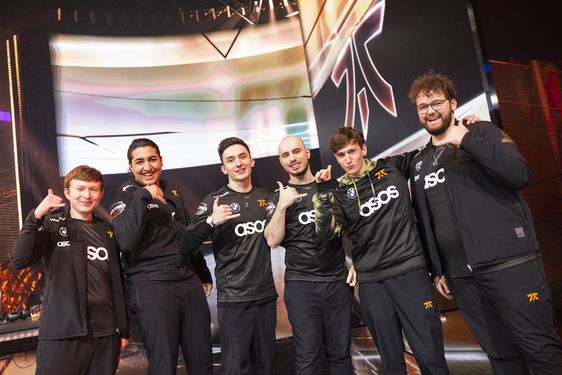

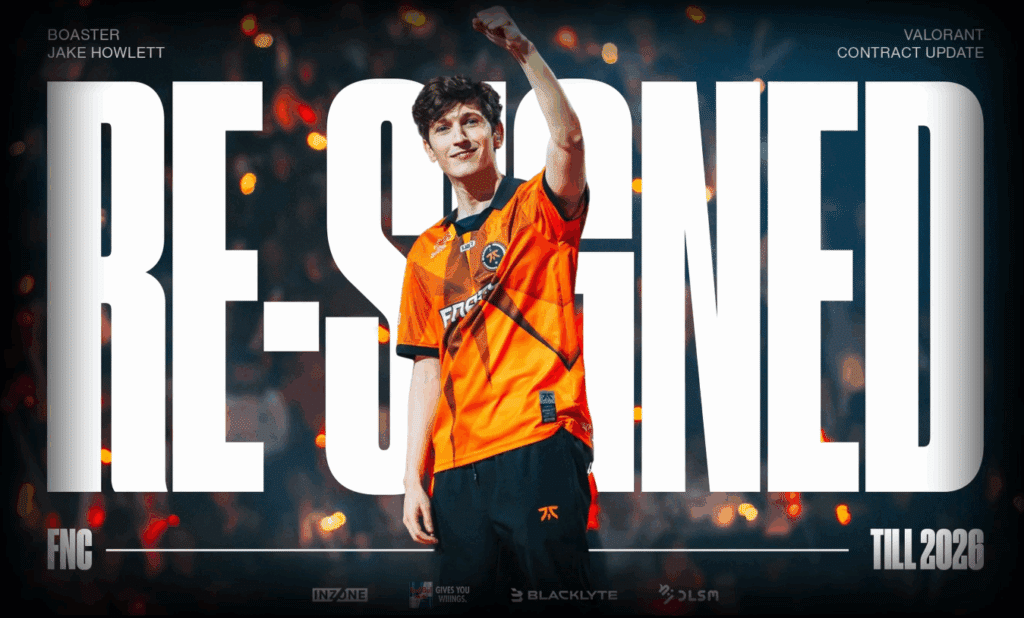
By embedding succession planning into their leadership DNA, Fnatic are safeguarding against volatility. In a game as unpredictable as Valorant, consistency is currency. Building internal depth means that when rivals face roster instability, Fnatic can transition smoothly into each new meta cycle. This foresight positions them not just as contenders for VCT 2026—but as an organisation structured to thrive well into the future.
| Area | Leadership Focus | Strategic Outcome |
|---|---|---|
| Academy System | Develop pipeline of players | Less disruptive roster changes |
| Scouting New Regions | Identify diverse talent | Wider talent pool |
| Mentor Programmes | Veterans support newcomers | Faster integration |
| Contract & Retention | Secure key players early | Stability in leadership base |
Fnatic’s story heading into 2026 is about preparation as much as ambition. Winning championships requires sharp strategy; building dynasties requires succession. By investing in recruitment systems, mentorship structures, and long-term contracts, Fnatic’s leadership is doing both. Their commitment to nurturing future stars while keeping today’s roster strong could define not only their next trophy run—but their place in esports history for years to come.
FAQ Section
Leadership & Recruitment – FAQ
Q1: What role does leadership play in recruitment? ▼
Q2: How fast can a new recruit be integrated into a top team? ▼
Q3: Is it better to go for veteran talent or raw potential? ▼
Q4: Can neglecting succession planning harm a team? ▼
Q5: How does leadership ensure culture stays intact while adding new players? ▼
About the Author