The Dota 2 SEA tournament season in 2025 is not just a sequence of matches but a carefully layered structure that connects local talent to the international stage. Southeast Asia has long been one of the most dynamic regions in competitive Dota, known for aggressive playstyles, fanatical audiences, and a grassroots system that constantly introduces new players into the scene. In 2025, the region’s events are more tightly integrated than ever, giving both professional squads and amateur hopefuls a roadmap that can lead all the way to The International. Understanding this structure helps fans make sense of the busy calendar and follow their favorite teams from qualifiers to global competitions.
Quick Look
How the Tournament Structure Works in SEA
Image Credit: Reddit
The competitive calendar in SEA is divided into two key layers: international circuits that bring prestige and high stakes, and regional events that focus on development and consistency.
- Tier 1 international events such as PGL SEA Tours, BLAST SEA Slam stops, and DreamLeague qualifiers connect the region directly to global tournaments. These are the events where top SEA squads fight for recognition and international slots.
- Tier 2 regional leagues like the CCT Series SEA editions, university championships, and national esports leagues in the Philippines, Indonesia, and Malaysia provide constant competition. These tournaments may not have million-dollar prize pools, but they serve as crucial stepping stones for upcoming teams.
This dual approach ensures that Southeast Asia always has a thriving calendar, with opportunities available for both elite organizations and grassroots competitors.
Dates, Phases, and Formats Explained

The Dota 2 SEA tournament 2025 schedule runs across the year in structured phases that align with international circuits. While exact match dates shift depending on the organizer, the progression usually looks like this:
- Early Season (Jan–Mar): Online tournaments like CCT SEA and initial ESL One qualifiers.
- Mid Season (Apr–Jun): PGL SEA Tour and DreamLeague qualifiers, often involving both online group stages and LAN playoffs.
- Late Season (Jul–Sep): BLAST SEA Slam events and regional LANs that serve as key warmups before TI qualifiers.
- End of Year (Oct–Dec): Post-TI regional finals and university tournaments, offering closure to the competitive year.
Common Tournament Formats
Most SEA tournaments follow a familiar system that balances fairness and entertainment:
- Open/closed qualifiers: Online events where teams earn entry into the main stage.
- Group stages: Usually round-robin or GSL formats to sort playoff brackets.
- Playoffs: Double-elimination systems that give teams a second chance after a loss.
This approach ensures that established teams have the consistency to prove themselves while leaving room for upsets and Cinderella stories from underdogs.
Prize Pools and Competitive Incentives
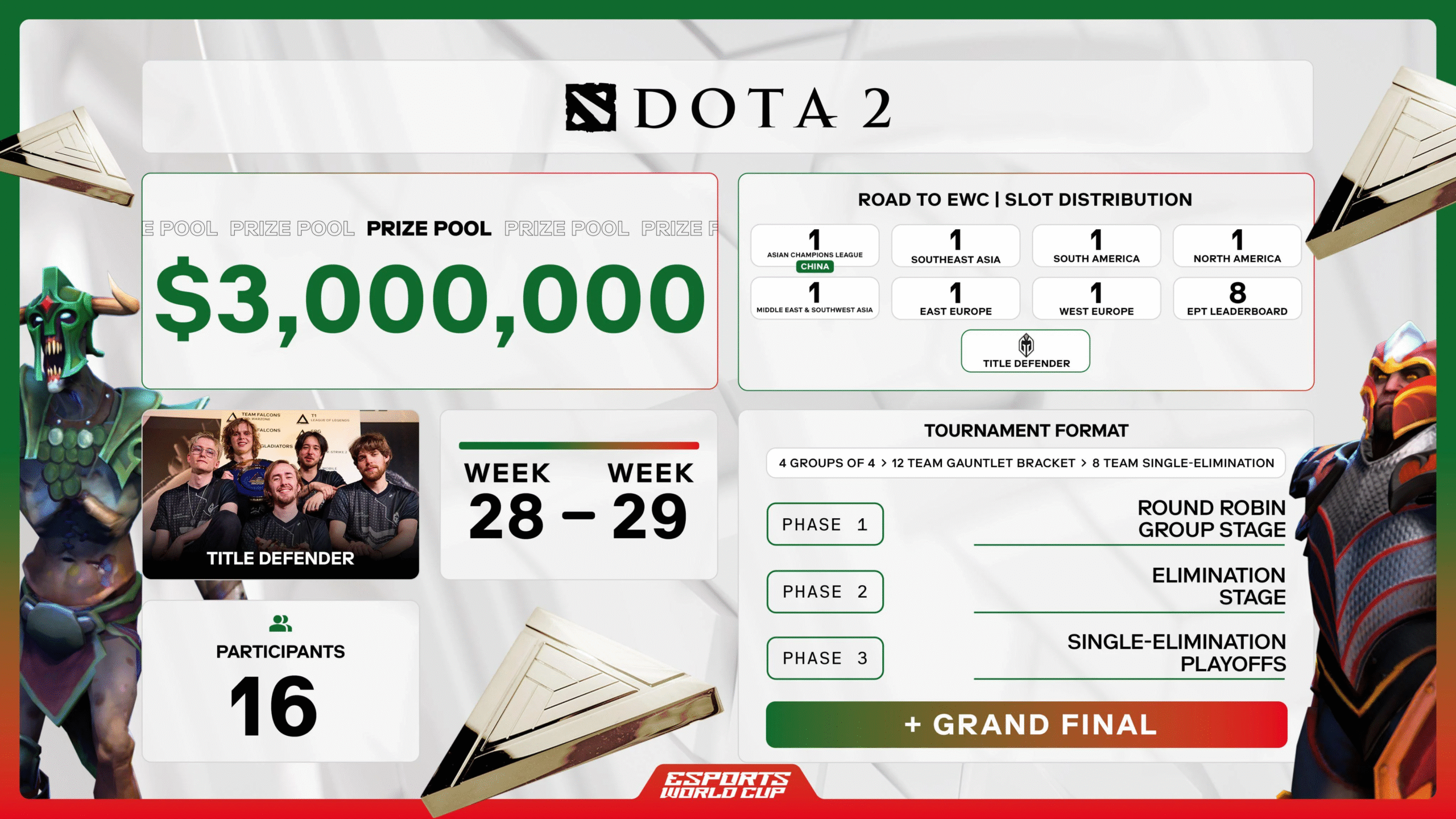
The financial side of the SEA Dota 2 circuit in 2025 varies widely, but every event plays a role in sustaining the ecosystem. Tier 1 international events like those run by PGL and BLAST frequently reach six-figure prize pools, creating major incentives for top teams. Meanwhile, regional leagues and university tournaments, though smaller, still provide critical funding and recognition for newer rosters.
Beyond prize money, these tournaments often award qualification points or direct slots into international competitions, meaning even a mid-level SEA tournament can open the door to global exposure. This is why fans often see intense competition even at local or online events—every match can be a stepping stone to something bigger.
Teams, Players, and Storylines to Watch

The 2025 SEA scene is defined by a combination of powerhouse organizations and fresh challengers. Well-known names like Fnatic, BOOM Esports, Talon Esports, and Blacklist International continue to anchor the region’s presence in Tier 1 events. These teams bring experience and established fanbases, and their performance will shape much of the narrative leading into The International.
However, the real excitement often comes from the emerging squads and returning veterans. University circuits and semi-pro leagues are producing lineups that can upset established teams in qualifiers, while long-time players considering comebacks bring unpredictability into the mix. Together, this creates a dynamic competitive field where no single roster can claim guaranteed dominance, keeping fans invested throughout the year.
How Fans Can Watch the 2025 Season

Accessibility is one of the strengths of the SEA tournament ecosystem. Organizers and communities make sure fans can follow the action across a variety of platforms:
- Twitch and YouTube Gaming remain the global hubs for English-language streams.
- Facebook Gaming and local broadcasters cater to specific national audiences.
- Regional coverage in multiple languages—English, Bahasa Indonesia, Tagalog, Thai, and Vietnamese—ensures local fans can enjoy events in their preferred style.
- DotaTV inside the client gives hardcore viewers detailed control, letting them follow live stats and custom camera angles.
This diverse broadcast ecosystem mirrors the diversity of the SEA region itself, making sure that whether you’re in Manila, Jakarta, Bangkok, or beyond, there’s a reliable way to follow the action.
Conclusion – Dota 2 SEA tournament
The Dota 2 SEA tournament 2025 season is best understood as a structured pathway connecting grassroots ambition with international prestige. With clear stages of competition, a balance of Tier 1 and Tier 2 events, and strong support from both fans and organizers, the region continues to demonstrate why it’s one of the most exciting in global esports. As the calendar progresses and teams battle for qualification into The International, Southeast Asia will once again remind the world that it is a region built on passion, unpredictability, and relentless competition.
Dota 2 SEA Tournament Calendar 2025
Q1:Which SEA teams are expected to perform strongly in 2025? ▼
Q2:Are there any rising teams from grassroots tournaments in SEA? ▼
Q3:Will veteran players make a comeback in 2025 SEA Dota 2? ▼
Q4:How competitive is the SEA region compared to other regions? ▼
Q5:Do university-level teams really impact the SEA Dota 2 scene? ▼
About the Author