
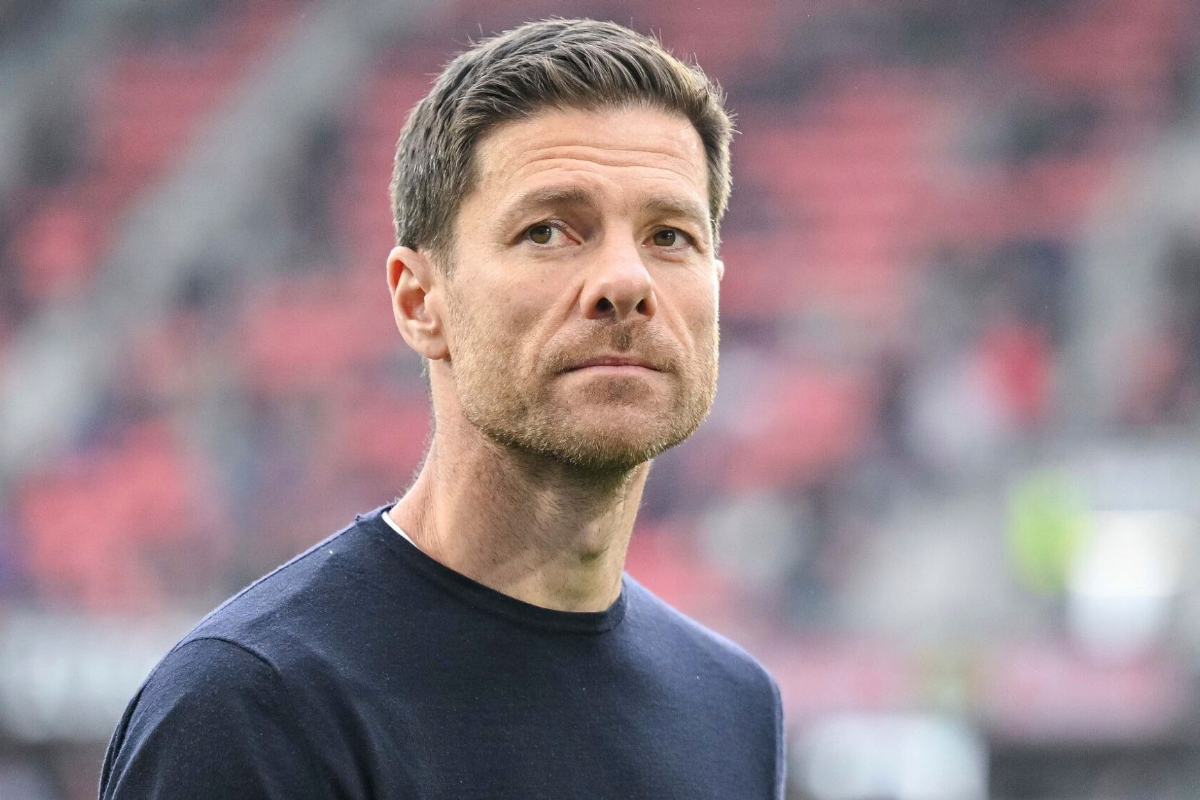
The sun over the Bernabéu seemed brighter in June 2025 when Xabi Alonso, the tactical prodigy of his generation, returned to claim his throne. He arrived with the “Leverkusen Blueprint,” a promise of modern, fluid football that would finally harmonize the stars. Yet, by January 2026, the dream had curdled into a nightmare. The Real Madrid managerial crisis claimed its latest victim not because of a league collapse—Madrid sat just points off the top—but because of the “Jeddah Ghost.” A 3-2 Supercopa loss to Barcelona acted as the ultimate betrayal in the eyes of the board. In the cold light of a Madrid winter, the club’s hierarchy decided that a single trophy-less week in Saudi Arabia was worth more than a year of tactical evolution, proving once again that at this club, the project is always secondary to the spectacle.
The Throne and the Shadow: Life Under the Imperial Presidency
To understand the Real Madrid managerial crisis, one must look past the dugout and toward the presidential box where Florentino Pérez has reigned for over two decades. This is an “Imperial Presidency,” a realm where the manager is a guest, never a tenant. Without a sporting director to act as a buffer, the coach stands alone against the whims of a man who views the squad as a collection of assets rather than a functional unit. Coaches like Alonso or Ancelotti don’t just lose games; they lose the “political war” in the boardroom.
- Direct Interference: The President’s personal preferences often dictate matchday vibes.
- Media Pressure: The board utilizes aligned journalists to leak “doubts” about a coach’s training methods.
- Institutional Isolation: When the wind turns, there is no sporting hierarchy to defend the coach’s vision.
| Manager | Tenure Duration | Primary Conflict | Outcome |
|---|---|---|---|
| Carlo Ancelotti | 4 Seasons | Tactical Flexibility vs. Board Demands | Sacked |
| Xabi Alonso | 8 Months | Defensive Recruitment Requests | Sacked |
| Álvaro Arbeloa | Current | Maintaining Board Loyalty | TBD |
The Galáctico Mirage: When Marketing Meets the Pitch

The narrative of the squad rebuild under Pérez is often a story of “Shiny Object” syndrome. While Alonso campaigned for a defensive anchor like Martin Zubimendi to provide the balance his system required, the board presented him with more attacking glamour. This creates a structural paradox where the manager is handed a Ferrari but told to drive it off-road. The result is a top-heavy roster where Mbappé and Vinícius Jr. are forced into tactical compromises that dampen their brilliance. When the balance fails, the board points to the manager’s lack of “authority” rather than their own failure to address a crumbling defensive line and a lack of depth at the back.
The Palace Coup: Player Power and Silent Backing – Real Madrid managerial crisis
In the hallowed halls of Valdebebas, the power dynamic has shifted decisively away from the bench. The Real Madrid managerial crisis is often exacerbated by a locker room that knows the President’s door is always open. The “Mbappé Incident,” where tactical instructions were allegedly viewed as optional, highlights a culture where a player’s brand value—his Instagram followers and commercial pull—acts as a suit of armor against the manager’s discipline.
- The Friction Point: Stars like Vinícius Jr. have a direct line to the board, bypassing the coach.
- The Silent Veto: Players can effectively “quit” on a manager, knowing the board will side with the “assets.”
- The PR Spin: Departures are framed as “mutual consent,” masking the reality of a manager whose authority was stripped long before the final whistle.
The Interim Safety: Why Arbeloa Is a Symptom, Not a Cure
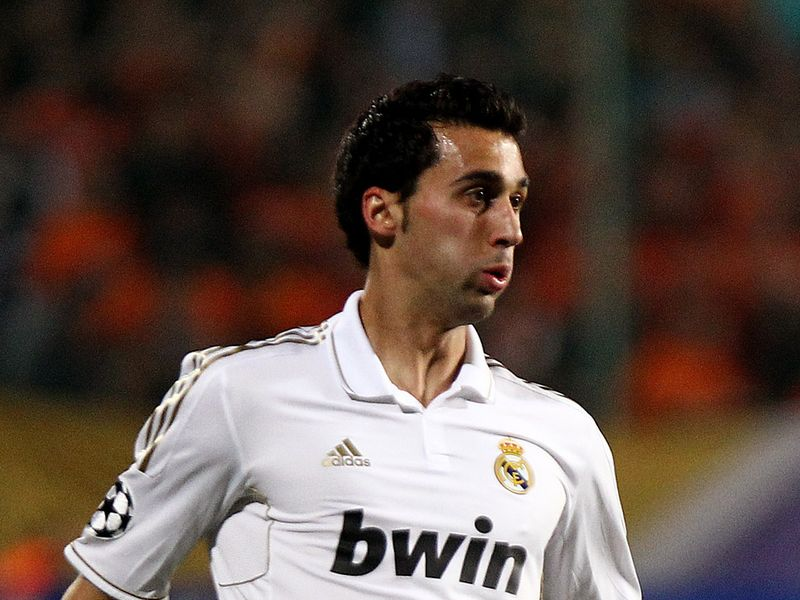
Faced with a fire, the Madrid board typically reaches for a familiar bucket of water. The appointment of Álvaro Arbeloa as an interim solution is a classic retreat to the “House Man” strategy. It is a way to calm the fans with a legendary name while avoiding the uncomfortable truth that no world-class manager—not even the “White Whales” like Klopp or Guardiola—can succeed long-term under such heavy presidential influence. Arbeloa is a soldier of the club, meant to steady the ship, but he lacks the institutional weight to demand the structural changes needed to fix the La Liga problems that have plagued the team for years. He is the band-aid on a structural fracture.
The Final Chapter: A Cycle Without an End – Real Madrid managerial crisis
The tragedy of the Real Madrid managerial crisis is its predictability. As Pérez nears his 80th year, his pursuit of “Jewel in the Crown” achievements like the Super League has created an atmosphere of frantic, short-term thinking. The manager remains the eternal scapegoat, a human shield for an imbalanced squad and a boardroom that treats football like a luxury branding exercise. Until the club moves toward a modern, empowered sporting structure, the cycle will continue. Legends will be hired to sell jerseys and fired to save faces, while the true structural flaws of the Bernabéu remain hidden behind the next high-profile sacking.
Football Managerial Crisis – FAQs
Q1: How does the “Florentino Pérez Model” affect Real Madrid managers? ▼
Q2: What “structural flaws” were hidden by Xabi Alonso’s sacking? ▼
Q3: Why is Michael Carrick viewed as a “hands-on” coach at Man United? ▼
Q4: What role did Kylian Mbappé play in the final days of Alonso’s tenure? ▼
Q5: Is Jurgen Klopp a realistic option for Real Madrid in 2026? ▼
About the Author


