
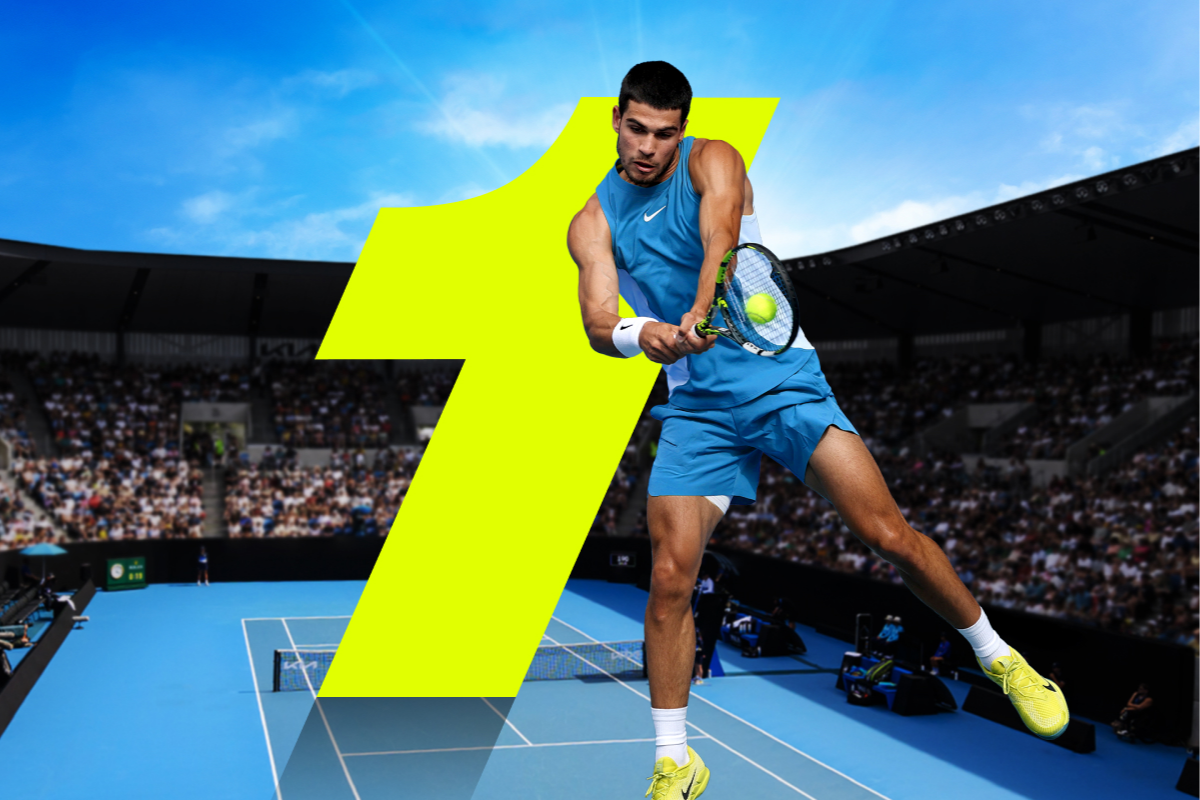
Under the blinding spotlights of the 2026 Australian Open, the air felt different. This wasn’t the usual marathon of endurance; it was the debut of the One Point Slam, a psychological experiment wrapped in a sporting event. Imagine a stadium packed with 15,000 screaming fans, all waiting for a single swing of the racket to decide a $1 million fortune. It was a high-stakes tennis exhibition designed for drama, and it delivered a story that felt more like a Hollywood script than a tournament result.
Standing at the center of this storm was Jordan Smith. He wasn’t a celebrity or a top-seeded champion, but a 29-year-old coach who spent his days teaching backhands to teenagers in Sydney’s northwest. For Smith, this wasn’t just a game; it was a final shot at the glory that had eluded him a decade ago. As he stepped onto the court, the gap between the suburban coach and the global elite felt like a canyon—until the first ball was tossed.
The Architect of the Upset: Jordan Smith’s Origins
Jordan Smith was once a name whispered in the same breath as Australia’s finest. A junior phenom who shared courts with Nick Kyrgios, he possessed the raw talent but lacked the financial engine to survive the grueling ATP tour. Retiring with a career-high rank of #1,141, he returned to his family roots at the Castle Hill Tennis Academy. However, the “One Point” format favored his greatest strength: a disciplined, error-free game that turned him into a human “brick wall.”
To level the playing field, the tournament introduced unique mechanics that gave the local hero a fighting chance against the giants. While the professionals had to be perfect on every delivery, Smith had the luxury of a safety net.
| The Competitive Edge | Amateur (Jordan Smith) | Professional (The Elite) |
|---|---|---|
| Serve Allowance | Two Serves (Standard) | Single Serve Only |
| Pressure Level | Nothing to lose; Local favorite | $1M reputation risk |
| Tactical Approach | High-percentage “Brick Wall” | Aggressive, high-risk winners |
| Experience | NCAA Div 1 & ATP Grind | Grand Slam Champions |
A Path Paved with Fallen Giants
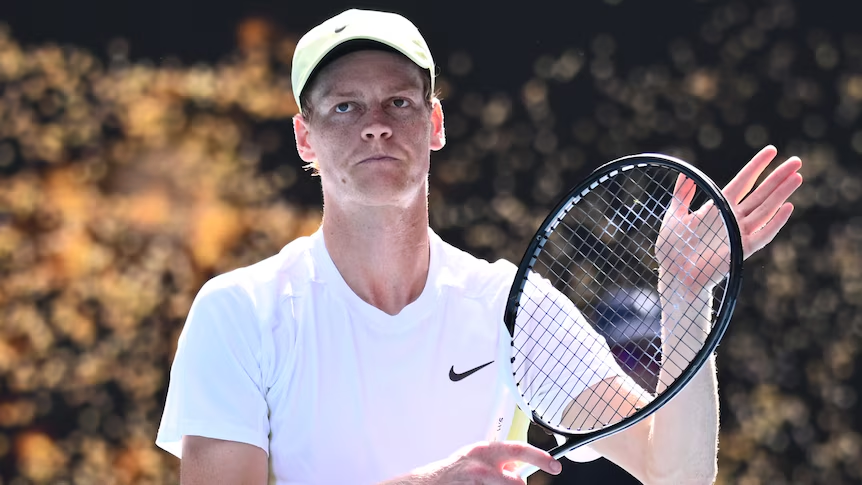
The journey through the bracket was a masterclass in composure. Smith didn’t try to out-power the world’s best; he simply refused to miss. The tennis world stood in stunned silence as the coach from Sydney systematically dismantled the top of the leaderboard. He wasn’t just surviving; he was thriving in the pressure cooker of the Australian Open 2026.
The highlights of his giant-slaying run included:
- The Sinner Shocker: World No. 2 Jannik Sinner double-faulted on the very first point, handing Smith a victory that went viral instantly.
- The Alcaraz Hustle: Smith chased down a drop shot from Carlos Alcaraz, flicking it past the Spaniard to secure a quarter-final berth.
- The Gauff Encounter: Facing the speed of Coco Gauff, Smith played a deep, looping return that forced an unforced error.
- The Persistence: Edging out veterans like Pedro Martinez to prove that amateur tennis skills can translate to the big stage.
The Silent Threat: Joanna Garland’s Final Stand

Waiting in the final was Joanna Garland, a professional whose journey was almost as cinematic as Smith’s. Representing Chinese Taipei and ranked 117th, she was the “Radiohead” of the tour—focused, quiet, and incredibly dangerous. She had spent her week playing the role of the spoiler, knocking out heavyweights like Alexander Zverev to ensure a pro remained in the final hunt.
Garland’s story was one of grit. Fresh off a title at the Workday Canberra International, she entered the One Point Slam without telling her friends or family. She wanted the game to speak for itself. As she stood across from Smith, the narrative was set: the professional looking for her big break against the amateur looking for his redemption. Two players, one point, and a life-changing tennis prize money check waiting at the umpire’s chair.
One Swing, One Million Dollars, One New Life – One Point Slam
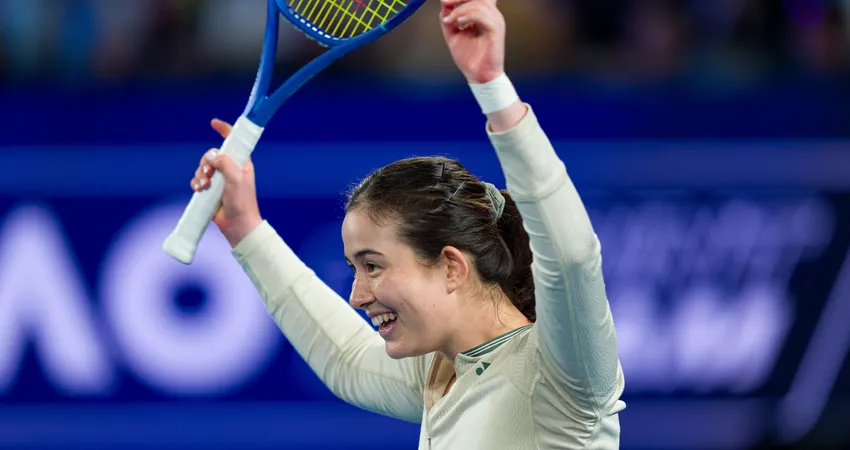
The final did not start with a coin toss, but with a playground classic: Rock, Paper, Scissors. Garland won and chose to serve, putting the match in her hands. The stadium fell into a haunting silence. Garland tossed the ball, her form perfect, and fired a serve that sizzled across the court. Smith lunged, his body stretching to its limit, and managed to chip the ball back deep into the baseline.
The rally lasted only seconds, but it felt like hours. Garland stepped into a backhand, the shot she had hit thousands of times in practice. She swung for the corner, seeking the definitive winner. The ball sailed through the humid air, clipping the very edge of the white line—or so it seemed. “OUT!” The linesman’s voice echoed through the arena. Smith stood frozen, his hands on his head, as the reality of the $1 million win sank in. He had gone from the local courts of Castle Hill to a millionaire on Rod Laver Arena in the blink of an eye.
The Legacy of a Single Point – One Point Slam
As the dust settles on this historic night, the impact of the One Point Slam is being felt across the globe. For Jordan Smith, the money represents security—a chance to buy a home in Sydney’s brutal market and reinvest in the family academy. For the sport, it represents a new way to engage fans. People are no longer just asking who won the 2026 Australian Open One Point Slam; they are asking when they can sign up themselves.
This event proved that in the world of sports, the distance between the “has-been” and the “hero” is exactly one point. Smith’s victory wasn’t just about the money; it was about the validation of a lifetime spent on the court. As the results of the Australian Open exhibition event 2026 are archived, Smith’s name will remain as a testament to the beauty of the underdog story. Tennis is a game of inches, but on this night, those inches were worth a million dollars.
About the Author


