The LOL MSI 2025 Tournament marks a significant milestone in the global esports landscape, as premier teams from various regions converge to compete for regional prestige and competitive rankings. This article aims to offer a comprehensive overview schedule, participating organizations, standout competitors, and salient features to inform and equip the esports academic community and devoted observers alike.
Summary
LOL MSI 2025 Tournament : Schedule and Structure
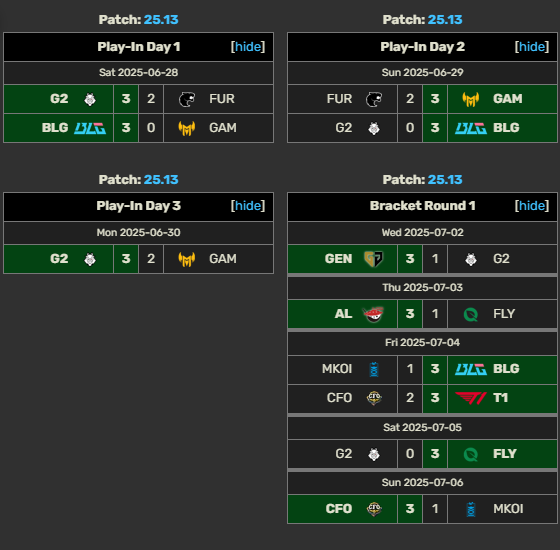
Play-In Stage: June 28–30
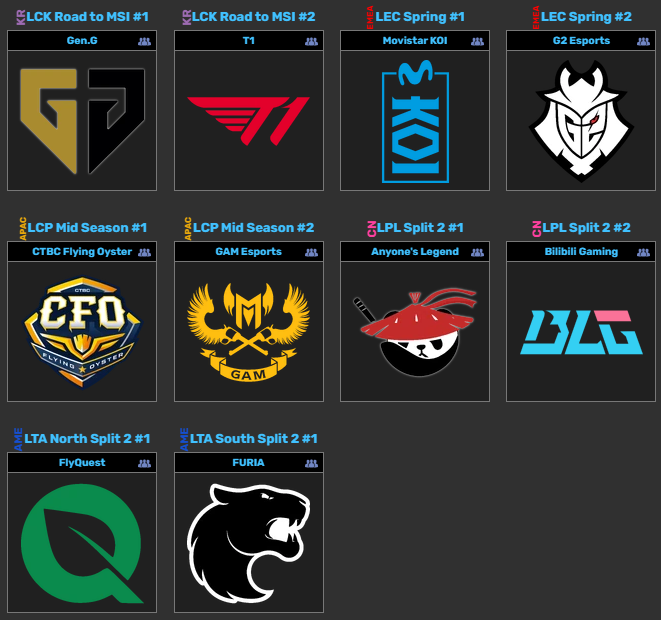
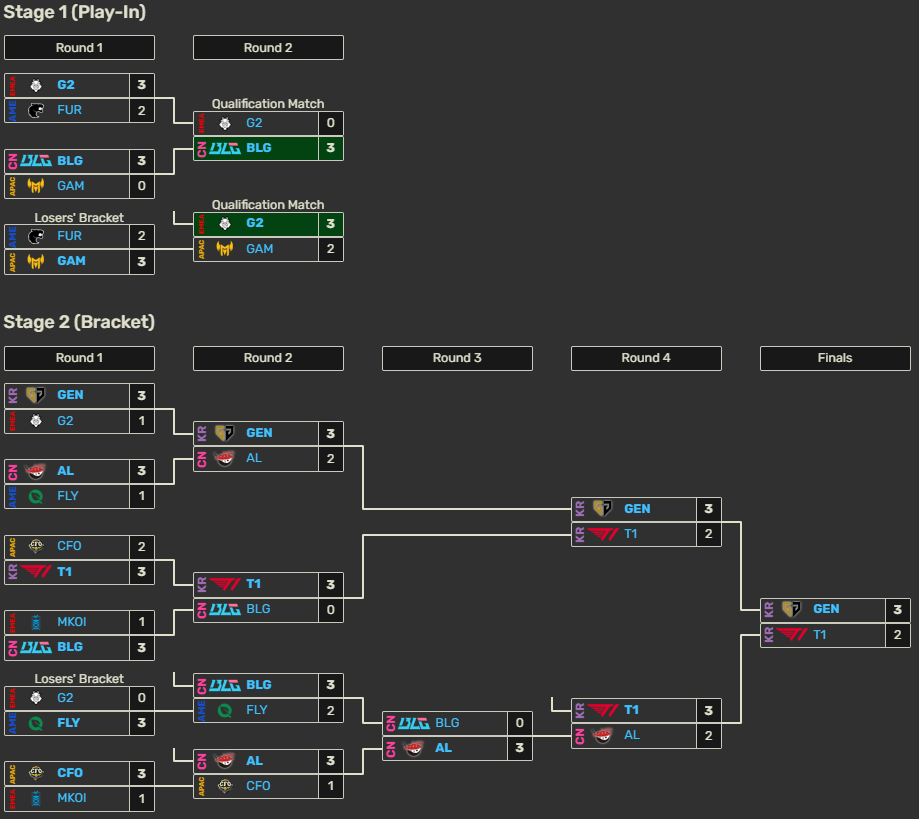
Engage in a double-elimination, best-of-five (BO5) format. This year’s Play-In participants comprise BLG (LPL), G2 Esports (LEC), GAM (Vietnam), and FURIA (Brazil). Two teams will progress to the Knockout stage.
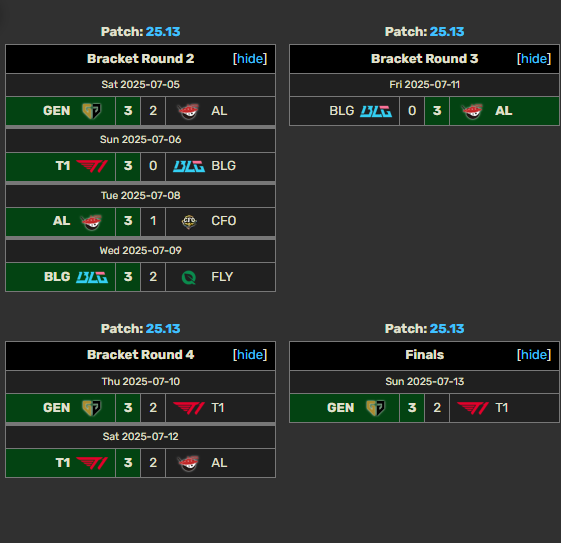
Knockout Stage: July 2–13
Following the Play-In, the Knockout Stage features eight teams in a similar full double-elimination, BO5 bracket, forming a diverse and elite competitive field. The participant pool includes six direct regional qualifiers accompanied by two Play-In victors. The bracket’s structure, including both Winner’s and Loser’s paths.
Grand Final: July 13
The tournament culminates at the Pacific Coliseum in Vancouver, Canada, a venue befitting an event of international significance. The final contest will showcase exceptional individual and team-based mechanics, high-stakes drafting, and elite leadership among star players.
LOL MSI 2025 Tournament : Participating Teams and Seeding Details
Direct Qualifiers
- LCK (South Korea): Gen.G (1st seed), T1 (2nd seed)
- LPL (China): AL (1st seed)
- LEC (Europe): KOI (1st seed)
- LTA (Americas): FlyQuest (1st seed)
- LCP (Pacific): CFO (1st seed)
Special Note: Due to their performance in the Global Pioneer Tournament, T1 has directly advanced to the Knockout Stage. These direct slots represent exceptional regular-season consistency across globally recognized regions.
Play-In Teams
- BLG (LPL, 2nd seed)
- G2 Esports (LEC, 2nd seed)
- GAM (Vietnam)
- FURIA (Brazil)
The Play-In phase is particularly notable for providing opportunities for emerging teams and sub-regions, alongside established organizations from traditional powerhouse regions.
Innovations and Competitive Dynamics
—Picture source from internet—
Format and Competitive Tension
The implementation of best-of-five, double-elimination brackets at both principal stages is especially noteworthy, amplifying both competitive tension and strategic diversity. This structure permits comebacks and adaptive improvement, and accentuates the importance of preparation, in-series adaptation, and resilience.
Inter-Regional Rivalries
Key regional matchups—notably those involving the LCK and LPL—are expected to attract significant analytical scrutiny and spectator interest. LCK teams are typically lauded for meticulous, strategically nuanced play, while LPL representatives often favor aggressive, mechanically intensive engagements.
Distinguished Competitors
The MSI 2025 player pool includes globally celebrated figures such as Faker, Chovy, Knight, and Tarzan. Each athlete brings unique strategic strengths: Faker’s adaptive shotcalling, Chovy’s lane dominance, Knight’s flexible champion pool, and Tarzan’s multi-faceted jungle control.
Broader Implications and Esports Significance
World Championship
Performance during MSI holds substantive implications for the allocation of World Championship slots per region. For example, an LPL victory or runner-up finish will secure an additional seed for the region, incentivizing organizations towards peak competitive form and long-term regional investment.
Ecosystemic Impact
MSI results impact not only regional slot allocation, but also regional reputation, sponsor engagement, and fan participation. It can augment organizational profile, facilitate increased resource inflow, and contribute to regional talent development if it is strong.
Conclusion
LOL MSI 2025 Tournament — Frequently Asked Questions
Q1: When does the LOL MSI 2025 Tournament start and end? ▼
Q2: Which teams are participating in the LOL MSI 2025 Tournament? ▼
Q3: What is the tournament format for LOL MSI 2025? ▼
Q4: Where will the Grand Final be held? ▼
Q5: How can I watch LOL MSI 2025 matches live? ▼
About the Author