SEA Dota 2 Legacy – Forget everything you know about structured, predictable esports. Southeast Asia’s Dota 2 scene runs on raw talent, emotional highs, and an almost reckless level of aggression that leaves opponents scrambling. Unlike the methodical Chinese region or the mechanically perfect Europeans, SEA teams play with a wild energy that can topple giants one day and disappear the next. That’s not a weakness—it’s an identity. From internet cafe prodigies to multi-million dollar LAN stages, the SEA Dota 2 legacy is written in highlight reels, not spreadsheets.
Fans remember the exact moments: Mushi’s game-changing plays at TI3, the entire Philippine crowd erupting during Mineski’s 2018 miracle run, and T1’s desperate, beautiful 10-buyback stand against PSG.LGD. These aren’t just matches; they are folklore. And as we move through 2025, the question isn’t whether SEA can compete globally. The real question is: which unknown squad will come out of nowhere to shock the world next?
The Founding Fathers: Legendary Teams That Defined an Era – SEA Dota 2 Legacy
Before Talon and BOOM became household names, a different generation of players had to fight for every inch of respect. These early teams didn’t just win matches; they proved that Southeast Asia deserved a seat at Dota 2’s highest table.
Let’s break down exactly why each of these names still matters today.
Orange Esports (TI3) – The Blueprint. Leading up to The International 2013, no one expected an SEA team to crack the top three. Then Mushi and his squad started dismantling powerhouse after powerhouse. Their bronze finish wasn’t just a trophy—it was a declaration. Every young SEA player who booted up Dota 2 after that day had a new dream: to be the next Mushi.
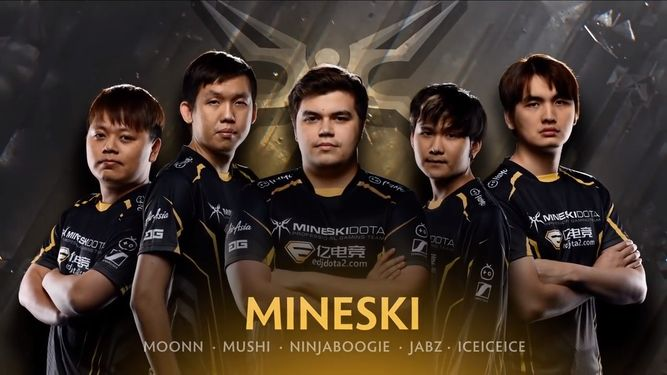
Mineski (2018) – The Breakthrough. Winning a Major changes everything. When Mineski hoisted the trophy at the Dota 2 Asia Championships in 2018, they did more than win a tournament. They broke a psychological barrier. For years, SEA teams had been labeled as “talented but undisciplined.” That victory, featuring a roster stacked with iceiceice, Mushi, and Jabz, silenced the doubters permanently.
Fnatic (TI6-TI9) – The Reliable Flag. While other SEA teams fluctuated wildly, Fnatic was the steady hand. Year after year, with different rosters featuring stars like DJ, Abed, and iceiceice, they qualified for international events. They rarely won it all, but they always showed up. In a region known for roster explosions and org collapses, that consistency was its own kind of greatness.
MVP Phoenix (TI6) – The Honorable Mention. Yes, they were technically Korean, but their style was pure SEA: hyper-aggressive, fearless, and faster than anyone could handle. Their top-four finish at TI6, built on relentless pressure and chaotic teamfights, proved that the “SEA playstyle” could succeed at the highest level, even without the region’s infrastructure.
The New Guard: Modern Giants Carrying the Torch
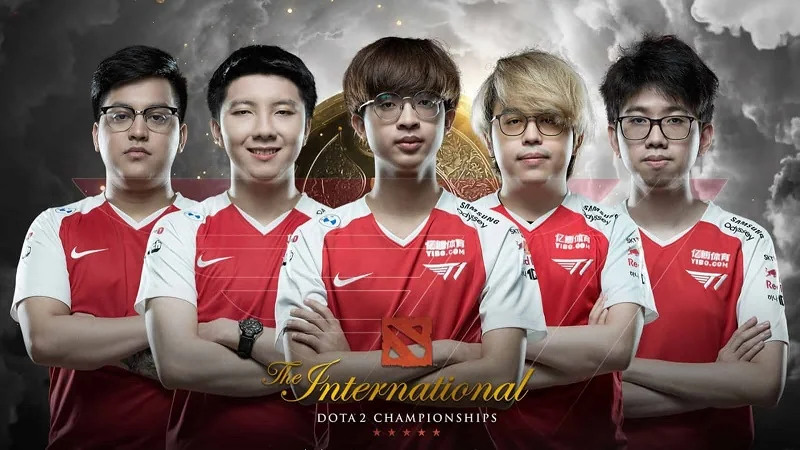
The old legends have retired or moved on, but the competitive fire never died. A new generation of organizations has stepped up, learning from the past while forging their own paths. These are the modern standard-bearers of the SEA Dota 2 legacy.
Talon Esports – The Current Kings. Since entering the scene in 2022, Talon has done what seemed impossible: bring stability to SEA Dota. They consistently perform at Majors, avoid the post-qualifier collapse that plagued previous teams, and their TI12 campaign proved they belong in Tier 1 conversations. Currently ranked around #16 globally, they are the benchmark every other SEA team measures itself against.
T1 – The Brief but Brilliant Flame. T1’s Dota 2 division had a short lifespan, but what a lifespan it was. Their TI10 performance remains legendary, specifically the 10-buyback slugfest against PSG.LGD. Led by Kuku and 23savage, that single match encapsulated everything beautiful about SEA Dota: refusing to die, fighting past every logical limit, and forcing the best teams in the world into pure chaos. Even after the org exited, that memory remains untouchable.
BOOM Esports – Indonesia’s Finest. BOOM represents a crucial development for the region: non-Philippine power. Based in Indonesia, they’ve built a reputation for discipline and tactical flexibility. While they lack Talon’s high-end international results, they sit firmly inside the global Top 20 and consistently push Tier 1 teams to their limits. They prove that SEA’s talent pool extends far beyond Manila.
The Surprise Squad (The Region’s Secret Weapon)
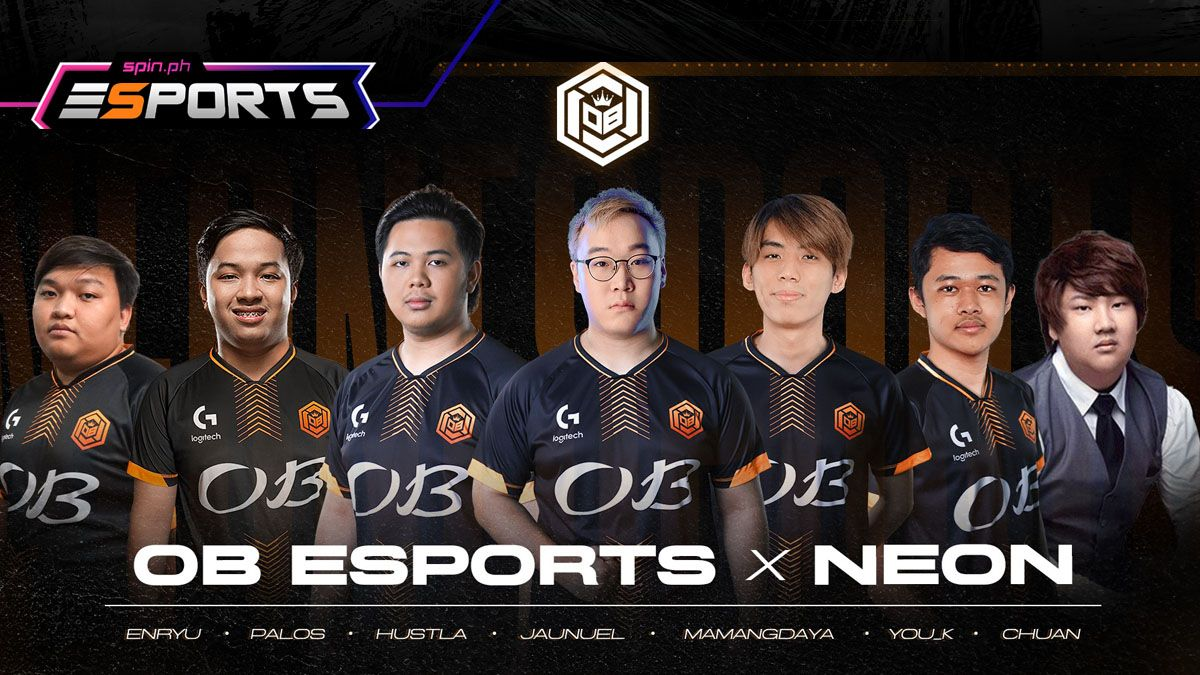
Beyond the top names, a rotating cast of challengers keeps everyone on edge. Teams like Neon Esports (Singapore Major 2021 upsetters), Geek Fam, and Execration have no fear of big names. On any given qualifier day, they can eliminate a favorite. This unpredictability is a feature, not a bug. It forces top teams to stay sharp and gives fans constant hope.
The 2025 Landscape: Where SEA Stands Right Now – SEA Dota 2 Legacy
Let’s move from history to the present. The competitive hierarchy in Southeast Asia has clarified, even if individual matches remain chaotic.
The Tier 1 Contender:
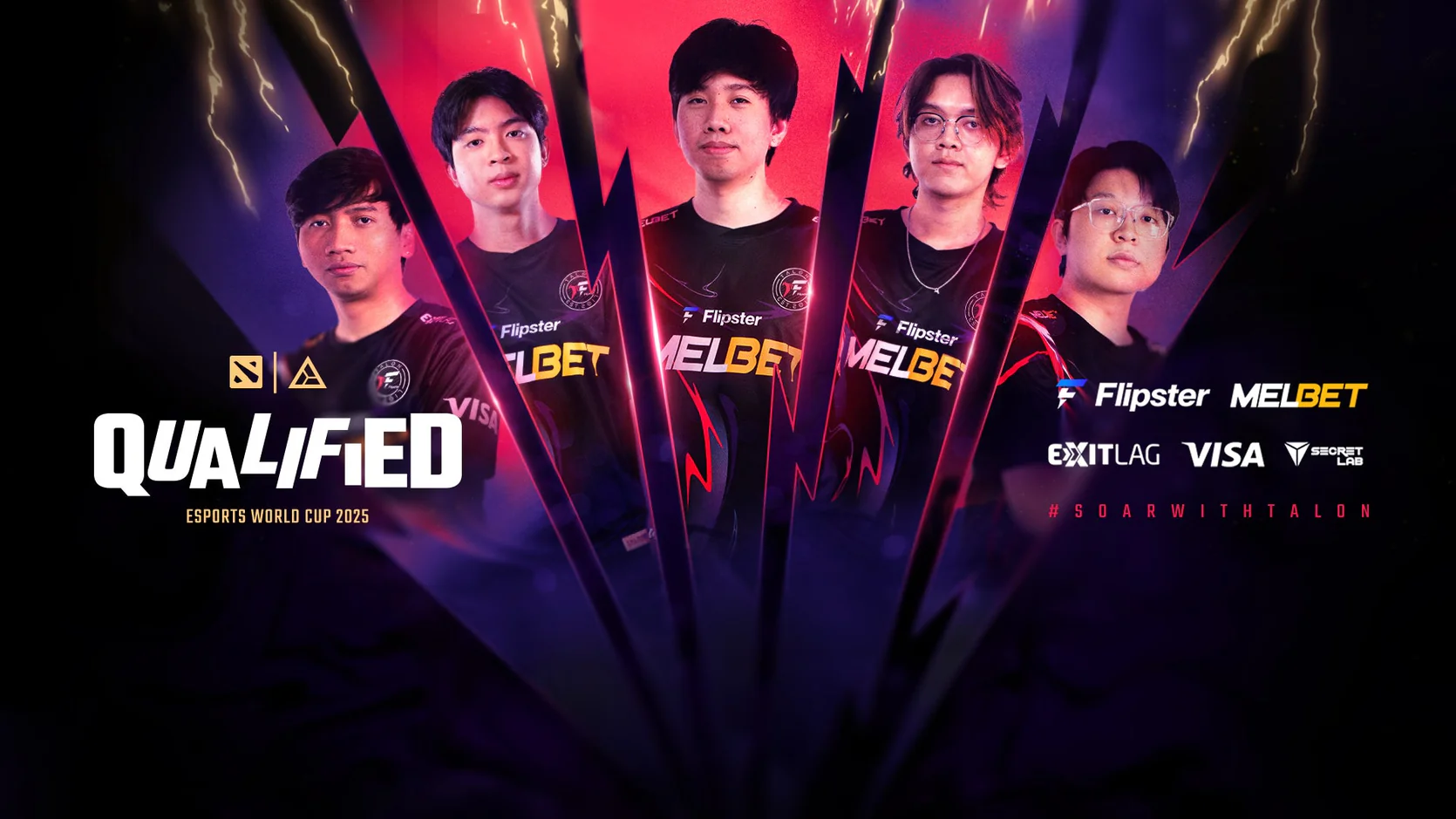
- Talon Esports (Philippines): ~#16 Global Ranking. The sole consistent Tier 1 representative. All eyes are on their Major performances.
The Tier 2 Powerhouse:
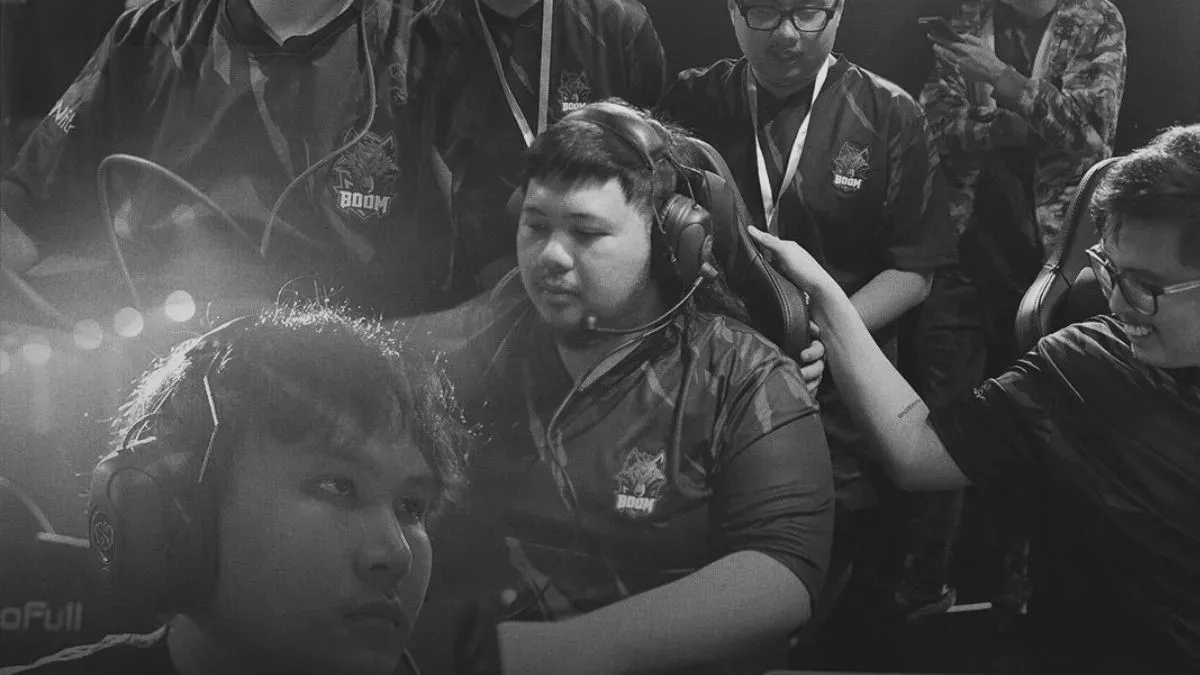
- BOOM Esports (Indonesia): Top 20 Global. Competitive in Majors, dominant regionally. The biggest threat to Talon’s throne.
The Challenger Tier (Qualifier Threats):
- Team SMG
- Execration
- Lilgun
- Army Geniuses
- Galaxy Racer
These teams rarely make deep international runs, but they are the gatekeepers. To be the best, you have to beat them, and they make sure no victory comes easy.
The Grassroots Engine (The Real Heart of SEA):
- Nigma Galaxy SEA
- Salvation Gaming
- Kopite
- Moodeng Warriors
This is where the next Mushi or 23savage is playing right now. Local tournaments, online leagues, and endless pub games fuel a talent pipeline that never runs dry. Financial stability is a constant struggle at this level, but the passion is undeniable. These smaller teams keep the ecosystem alive, rotating in and out of relevance but always contributing to the region’s depth.
Global Impact: More Than Just Trophies – SEA Dota 2 Legacy
The SEA Dota 2 legacy cannot be measured by first-place finishes alone. The region’s true impact on global esports comes from three specific areas:
1. Unforgettable Moments. Ask any Dota 2 fan to name the most exciting matches in history, and at least two will come from SEA teams. Orange’s TI3 lower bracket run. Mineski’s DAC grand finals. T1’s buyback frenzy. These aren’t just wins; they are permanent memories embedded in the game’s history.
2. Legendary Player Development. The list of world-class players produced by SEA is staggering:
- Mushi – The original SEA superstar
- iceiceice – Mechanical genius and showman
- Kuku – The emotional leader
- Abed – The young prodigy who became a veteran
- 23savage – Current generation’s carry icon
- DJ – Consistent support excellence
These players have competed on every major stage, inspired millions, and proven that raw talent from anywhere can shine globally.
3. Unmatched Fan Engagement. SEA fans do not watch esports; they live it. The TI10 SEA qualifier alone drew over 258,000 peak viewers—for a qualifier. When a local team plays, watch parties fill cinemas. When a favorite player makes a move, social media explodes. This passionate, vocal support provides a foundation that sponsors and tournament organizers cannot ignore.
Final Verdict: Why the World Can’t Look Away
The best Dota 2 teams from Southeast Asia will never play “safe” Dota. They will never be the most structured or the most predictable. But they will always be the most entertaining, the most emotional, and the most capable of making the impossible happen.
From Orange Esports’ bronze medal to Talon’s modern consistency, the SEA Dota 2 legacy is secure. The challenges are real—financial instability, organizational turnover, and the constant brain drain to Chinese and European teams. But the resilience is stronger. Every new season brings fresh hope. Every qualifier brings a potential Cinderella story.
So when the next International begins, watch the SEA teams closely. Not just to see if they win, but to witness the beautiful chaos they bring. Because in Southeast Asia, Dota 2 isn’t just a competition. It’s a culture, a community, and a constant reminder that in esports, passion will always find a way to compete with money and structure. And that is exactly why the world keeps watching.
SEA Dota 2 Legacy
FAQs
Q1: What impact did TNC Predator have on SEA Dota history? ▼
Q2: Are there rising SEA teams outside of Talon and BOOM? ▼
Q3: What SEA Dota 2 event had the best crowd atmosphere? ▼
Q4: Why do SEA teams struggle with consistency? ▼
Q5: What’s the future of SEA Dota 2? ▼
About the Author