
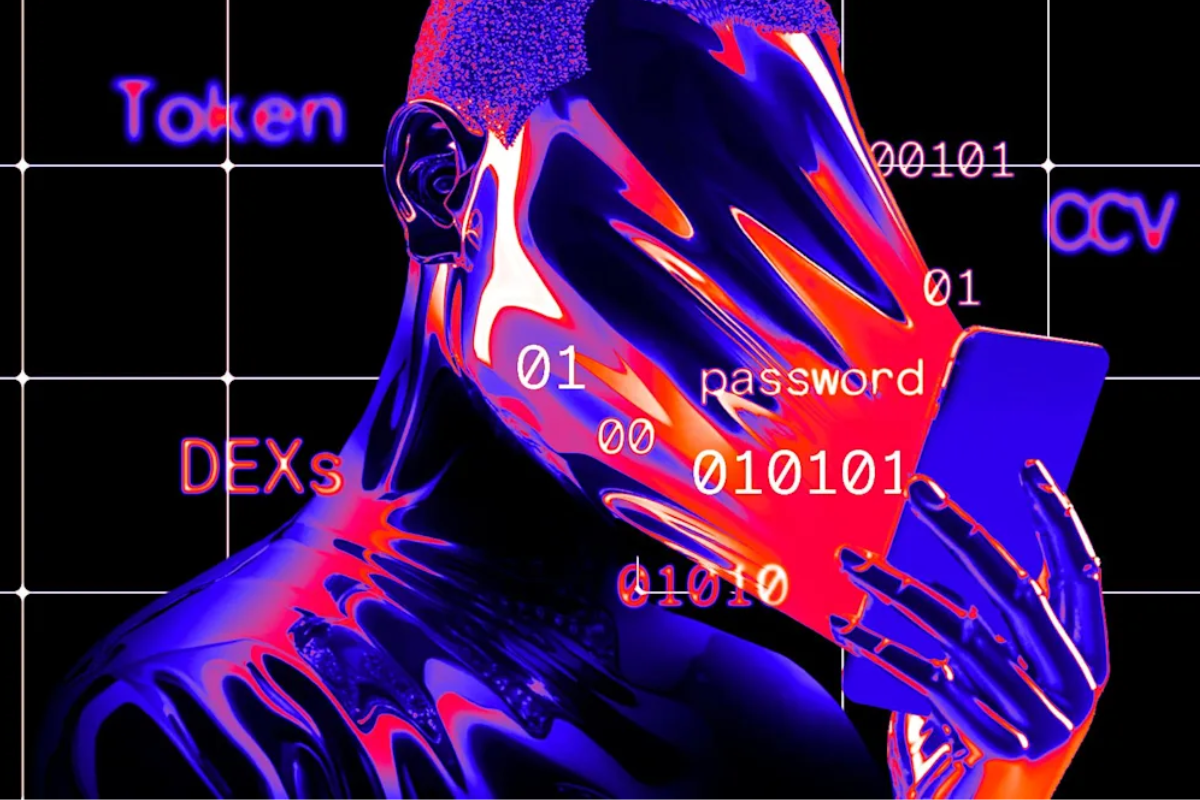
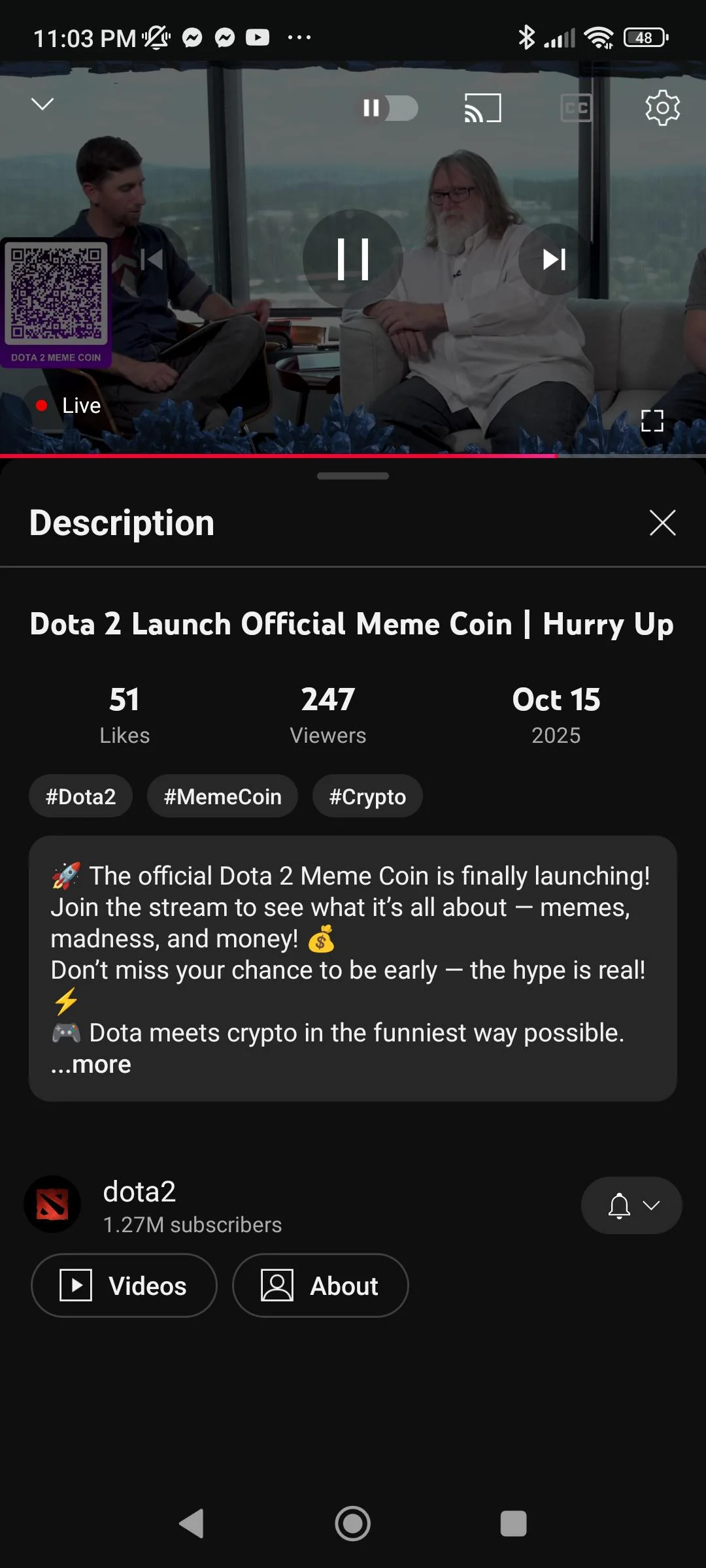
Dota 2 YouTube Hack – On the evening of October 15, 2025, fans tuning in to Dota 2’s official YouTube channel didn’t see gameplay or updates—they saw a livestream titled “Dota 2 Launch Official Meme Coin | Hurry Up.”
The stream looked authentic, featuring Valve’s branding, official logos, and tournament-quality graphics. Even the background music and chat made it feel legitimate. But this wasn’t a new game feature—it was a crypto scam.
Viewers quickly realized that the video promoted a Solana-based token called dota2coin, hosted on Pump.fun, a real meme-coin platform. Within minutes, links to the fake coin began circulating, and scammers urged viewers to “buy fast before it’s gone.”
When the PGL YouTube channel—which manages Dota 2 Majors—was also hijacked less than an hour later, the alarm spread across Reddit and X (formerly Twitter). Esports fans immediately flagged the streams as fraudulent, triggering a wider investigation.
How the Crypto Scam Unfolded Across Esports Channels
The breach didn’t just target Dota 2. Similar fake livestreams appeared on ESL, BLAST Counter-Strike, and Mobile Legends MPL Indonesia channels that same night. Each featured identical video assets, voiceovers, and countdowns.
According to blockchain records, dota2coin was created only a few hours before the hack. At its peak, the token briefly reached a market cap of about $5,000 before collapsing when scammers dumped their holdings—classic pump-and-dump behavior.
To visualize the timeline of how fast the attack moved:
| Time (GMT+8) | Event |
|---|---|
| 10:45 PM | Dota 2 YouTube streams fake crypto launch |
| 11:30 PM | PGL YouTube channel hijacked |
| 12:00 AM | Fans alert Reddit and X users |
| 2:10 AM | YouTube removes fake livestreams |
| 8:00 AM | Channels restored to normal |
Because of quick community action, the scam didn’t spread as far as it could have. Still, it demonstrated how easily verified esports accounts could be exploited for crypto fraud.
Inside the Scam

The attackers used every trick to make their content believable. They combined familiar branding with psychological manipulation, targeting both curiosity and urgency.
Key strategies included:
- Visual authority: Recreated Valve’s broadcast design, even using previous Dota 2 Major overlays.
- Urgency pressure: Text like “limited token sale” and a countdown created FOMO.
- Cross-channel trust: Multiple esports channels showing the same content made it seem official.
Blockchain analysis later revealed that 98% of the tokens were held by one wallet, which liquidated as soon as viewers started buying.
Interestingly, this mirrors older “Elon Musk giveaway scams” on YouTube, where hacked accounts promoted fake Tesla or SpaceX livestreams. Those earlier cases helped scammers learn how to replicate the tone and style of trusted brands—something esports is now facing firsthand.
How Hackers Bypassed Security
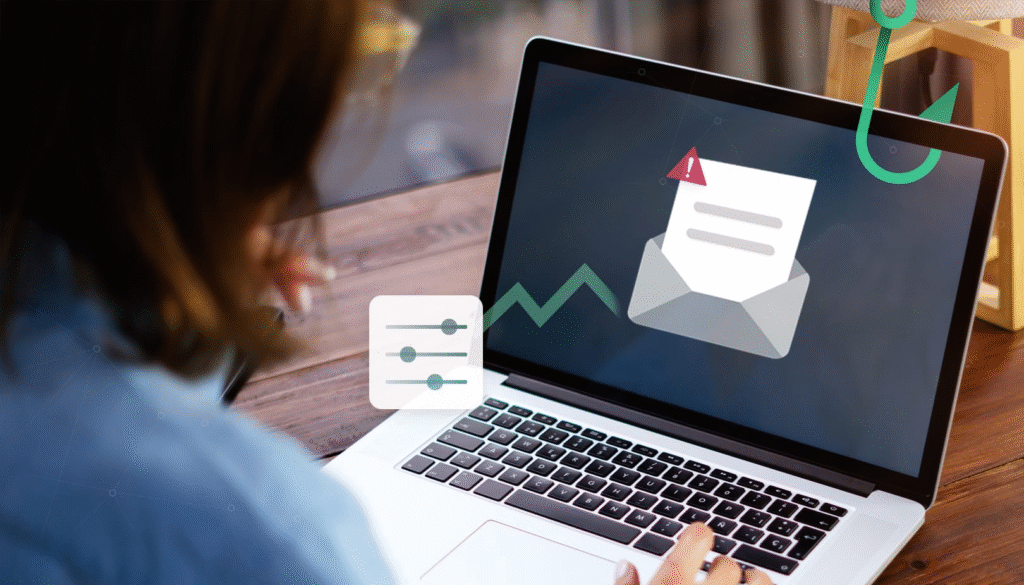
Experts say the Dota 2 YouTube hack likely began with a phishing campaign disguised as a sponsorship request. These fake emails might have invited teams or staff to “collaborate” on new esports promotions. Once opened, they harvested session tokens—allowing the attackers to bypass two-factor authentication entirely.
By stealing these tokens, hackers could log in as verified users without needing passwords or 2FA codes. This method, called session hijacking, has been used in several large-scale YouTube compromises since 2020.
Cybersecurity analysts noticed signs of coordination:
- Multiple channels were breached within the same hour.
- The livestream titles, metadata, and thumbnails were identical.
- On-chain activity showed synchronized wallet withdrawals.
Adding to the mystery, users also reported a temporary YouTube playback outage that same night. Some analysts believe this could have been linked to the breach, though Google has not confirmed any connection.
Overall, the hack exposed the growing overlap between esports and crypto, and how both ecosystems share common vulnerabilities—especially when linked through online platforms.
Community and Industry Reactions – Dota 2 YouTube Hack

The esports community responded quickly. Within an hour, r/DotA2 moderators pinned warnings at the top of the subreddit, urging fans not to click any links from the livestream. Influencers like Brad Lynch and popular analysts spread alerts on X, tagging YouTube and Valve for immediate review.
YouTube removed the fake livestreams overnight and restored both the Dota 2 and PGL channels by the next morning. Despite the fast fix, many fans were disappointed that neither Valve nor PGL released official statements about the breach.
Cybersecurity experts say silence after incidents like these can create confusion. Fans often want reassurance that safeguards are improving, especially when official esports streams attract millions of viewers.
Industry reactions highlighted several recurring points:
- Cybersecurity analysts warned of a rise in YouTube crypto hijackings since 2020.
- Solana educators emphasized that platforms like Pump.fun are legitimate but often abused by scammers.
- Gaming security advocates called for mandatory hardware-based authentication for verified esports channels.
One quote that gained traction came from Solana educator Solandy, who wrote:
“Be careful which sites you interact with and what coins you buy—many scam tokens exist just to drain wallets.”
Across the community, a new phrase emerged as a simple rule: “Verify before you vibe.”
Lessons Learned and the Road Ahead for Esports Security – Dota 2 YouTube Hack
The Dota 2 YouTube hack serves as a reminder that even the most trusted esports institutions are not immune to social engineering. In an industry that thrives on livestreams, authenticity is everything—and a single fake broadcast can shake years of credibility.
For YouTube, this incident highlights an urgent need for better real-time breach detection and stronger creator protections. Automated tools should be able to flag suspicious changes to verified channels before streams go live.
For gaming organizations, the hack underlines the importance of:
- Limiting admin access to official channels.
- Running cybersecurity drills for staff.
- Implementing hardware keys or encrypted logins.
For fans, vigilance remains key. Always check for official verification badges, confirm links from official websites, and avoid wallet transactions during livestreams—no matter how real they look.
As gaming and crypto continue to intertwine, the community will need to defend against both technical and psychological attacks. The next big esports scam may not come from code, but from clever storytelling that feels too real to question.
Closing Thought – Dota 2 YouTube Hack
The Dota 2 YouTube hack wasn’t just a breach—it was a warning shot. As esports grows, so does the need for digital defense. In this new era where games meet finance, protecting trust might become esports’ toughest competition yet.
Dota 2 & PGL YouTube Hack – FAQs
Q1: How did the Dota 2 and PGL communities discover the YouTube hack? ▼
Q2: How did social media amplify the scam alert? ▼
Q3: How did YouTube respond once the breach was reported? ▼
Q4: Did Valve issue any official statement about the incident? ▼
Q5: How did the gaming community help mitigate further scams? ▼
About the Author


