

The 2025 Nitto ATP Finals in Turin delivered a night of suspense as Ben Shelton narrowly lost in an ATP Finals thriller to Felix Auger-Aliassime. Both players entered the Bjorn Borg Group with much at stake: Auger-Aliassime fighting to keep his semi-final dreams alive, and Shelton seeking a memorable debut.
The contrast between Shelton’s explosive style and Auger-Aliassime’s indoor mastery created a captivating narrative. Every serve, volley, and rally drew the packed arena into a story of tension, skill, and emerging rivalries, reflecting the broader generational shift in men’s tennis.
Shelton Hits the Ground Running
From the first point, Shelton’s aggressive approach made a statement. Fast serves, fearless net play, and sharp angles earned him the first set 6-4. He dominated early, winning 72% of first-serve points and producing a striking 15 winners in the opening frame.
| Set | Aces | Double Faults | 1st Serve % | Winners | Unforced Errors |
|---|---|---|---|---|---|
| 1 (Shelton) | 8 | 1 | 72% | 15 | 7 |
| 1 (Auger-Aliassime) | 3 | 0 | 64% | 9 | 10 |
While Auger-Aliassime looked unsettled initially, he retained composure, analyzing patterns and adjusting positioning. The Canadian’s patience hinted at the resilience that would soon turn the match in his favor.
Tiebreak Drama Shifts Momentum – Ben Shelton
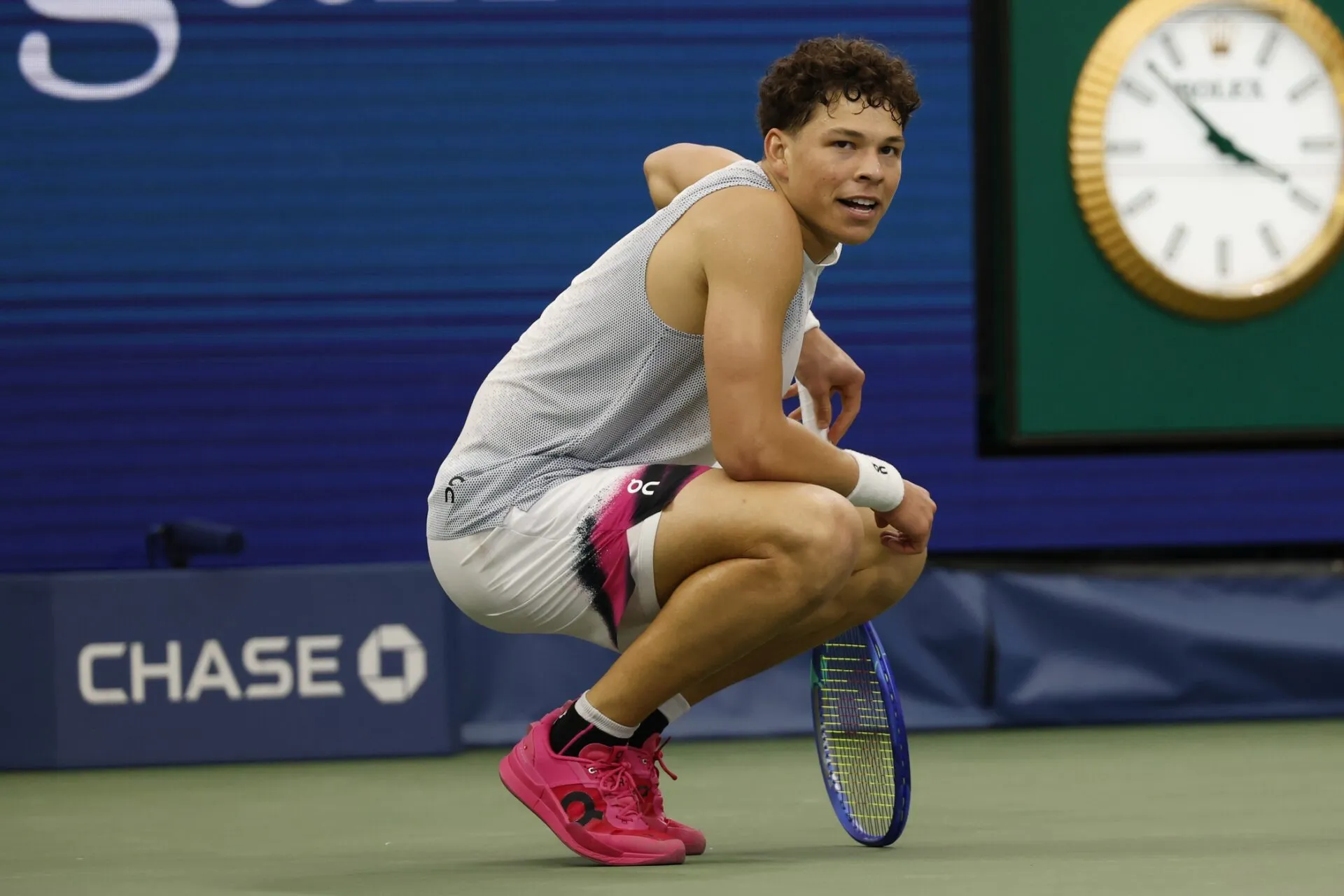
The second set developed into a battle of nerves, culminating in a gripping tiebreak. Shelton appeared poised to close it out, leading by two points at set point, but a double fault gave Auger-Aliassime the opening he needed.
Key turning points included:
• Auger-Aliassime’s calm under pressure forcing Shelton into unforced errors.
• Tactical adjustments, including shorter rallies and deeper returns.
• The psychological edge swinging toward the Canadian.
“You just have to fight, believe, and play the next point the right way,” Auger-Aliassime said post-match. The tiebreak highlighted the delicate balance between intensity and control, a lesson Shelton will carry forward.
Canadian Composure Under Pressure
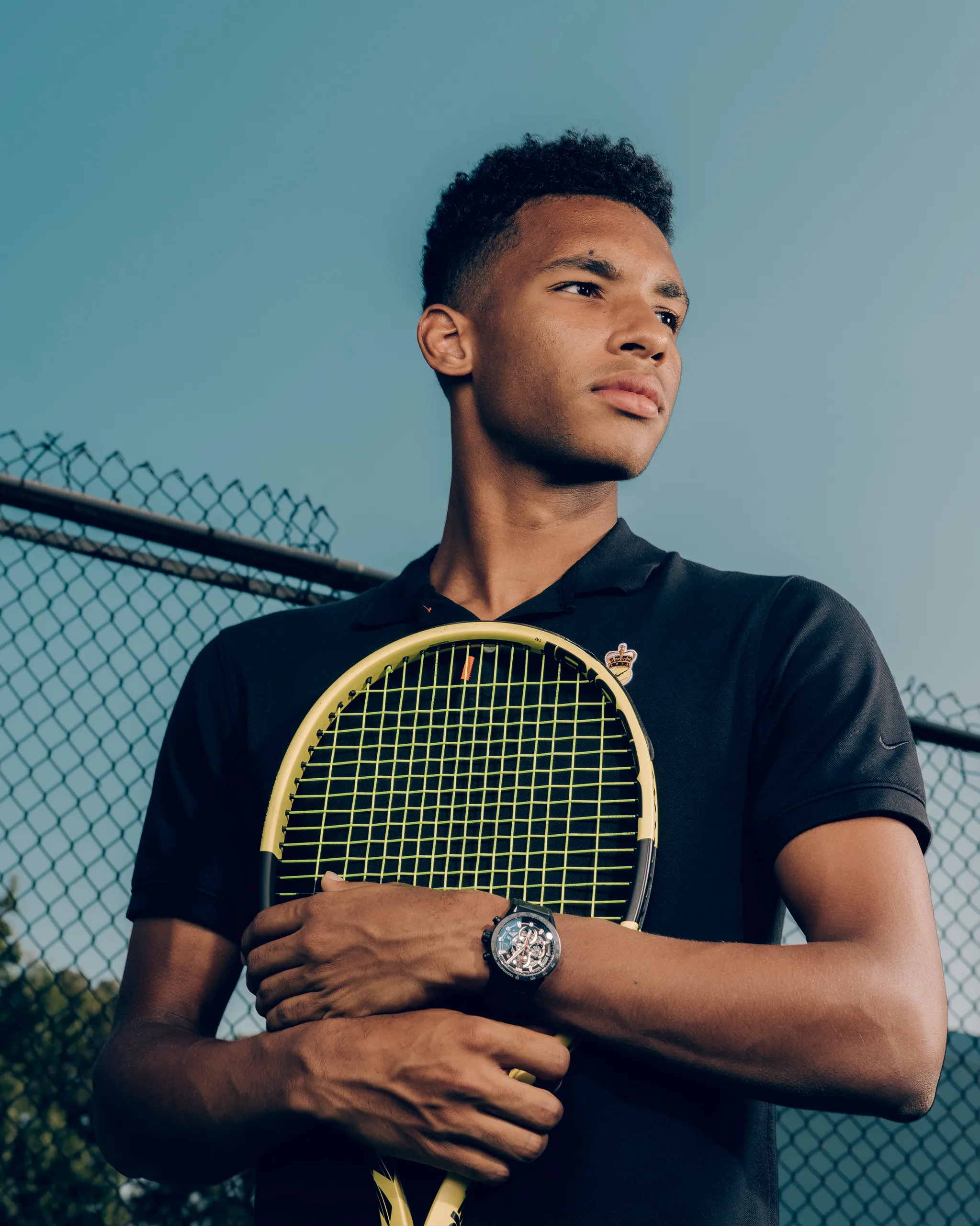
Auger-Aliassime’s experience shone in the deciding set. He adapted his game to neutralize Shelton’s power, focusing on cleaner shot selection, depth control, and maintaining rhythm.
Highlights included:
• Stronger baseline discipline and fewer unforced errors.
• Efficient movement and court coverage after a physically demanding week.
• Tactical serving to prevent Shelton from dictating points early.
ATP Tour stats show Auger-Aliassime as one of the most effective indoor performers of the decade, with 84 wins and 20 deciding-set victories in 2025 alone. His ability to combine patience with precise execution proved decisive in Turin.
Shelton’s Talent and Learning Curve – Ben Shelton
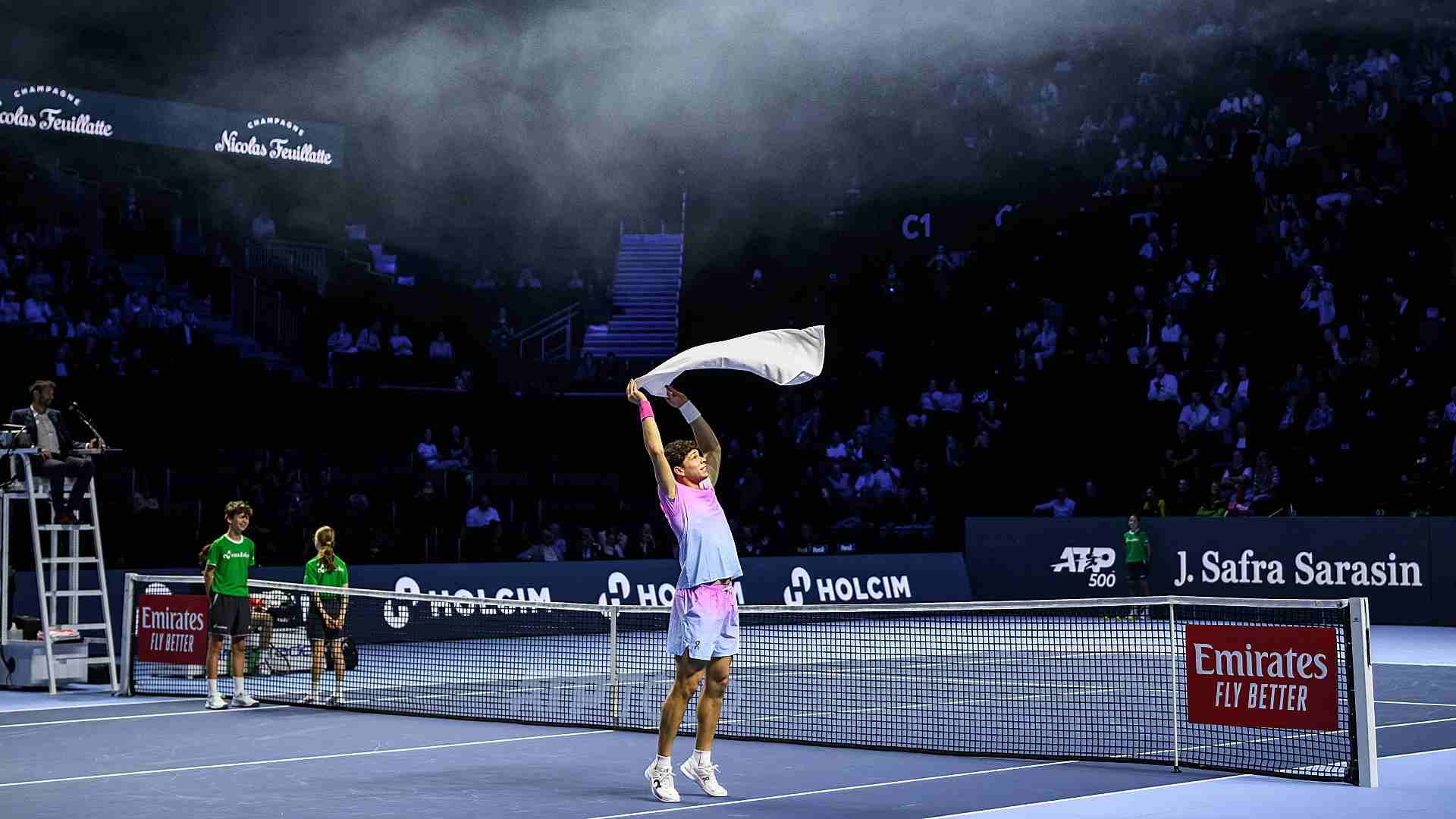
For Shelton, the match reflected both promise and work ahead. His high-energy style is thrilling but can be fragile under pressure. While his Grand Slam record of 77% win rate demonstrates potential on big stages, his indoor consistency (58% win rate) signals an area for growth.
| Player | 2025 Win % | Grand Slam Win % | Indoor Win % | Titles | Rank |
|---|---|---|---|---|---|
| Shelton | 68% | 77% | 58% | 2 | 5 |
| Auger-Aliassime | 71% | 70% | 80% | 3 | 8 |
Shelton’s season highlights include stunning service games and fearless net play, but maintaining focus through long rallies and tiebreaks will define his transition from talented debutant to consistent contender. Comparisons to Gaël Monfils illustrate the fine line between flair and sustained success.
A Night That Showed Tennis’ Generational Edge – Ben Shelton
Auger-Aliassime’s victory preserved his semi-final chances and reinforced his reputation as a mentally and tactically adept player under pressure. For Shelton, the narrow defeat was both a learning experience and a showcase of raw talent.
This ATP Finals thriller illustrated the balance between youth and experience, aggression and patience. While Auger-Aliassime’s calm prevailed on the night, Shelton’s energy and power promise more compelling matches in the future.
In Turin, the veteran outlasted the rising star, but the next meeting could easily flip the narrative — a reminder of how fine margins define tennis’ evolving generations.
Ben Shelton vs Auger-Aliassime – FAQs
Q1: How long did the Shelton vs Auger-Aliassime match last? ▼
Q2: What was Auger-Aliassime’s record in deciding sets this season? ▼
Q3: How did Shelton perform in his debut ATP Finals appearance? ▼
Q4: Who will Auger-Aliassime face next in the ATP Finals group stage? ▼
Q5: Did either player experience injuries during the match? ▼
About the Author


