The UFC 322 atmosphere has grown heavier by the day, with Jack Della Maddalena getting a louder reception than expected—though not in his favor. New York’s strong support for Islam Makhachev has created a charged environment during media day, weigh-ins, and open workouts. JDM, however, hasn’t tried escaping it. Instead, he has settled into the tension and treated the crowd reaction as another part of fight preparation. For a champion still building his identity, the hostility acts as a backdrop to a matchup that has gained meaning far beyond the title alone.
The Shifting Landscape of Welterweight Contention
The welterweight division continues to evolve without a clear-cut next-in-line challenger. Leon Edwards remains within striking distance, while the upcoming Brady vs Morales winner could instantly become relevant. What makes this moment unique is the lack of a stable hierarchy—something JDM hopes to correct through a defining performance.
The table reinforces how JDM’s next moves could shift the division from scattered to structured, depending on the clarity he produces on fight night.
Why Makhachev Brings an Unusual Level of Difficulty
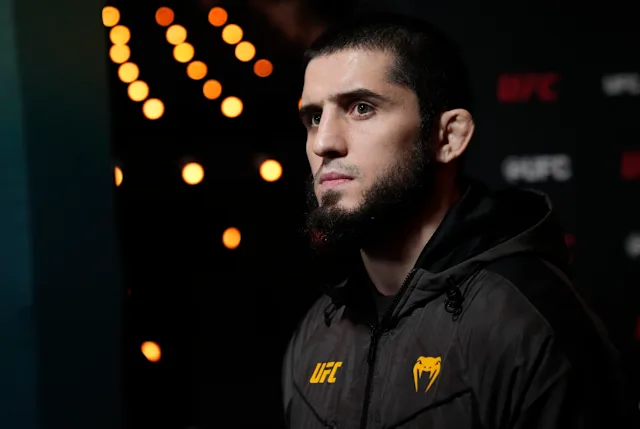
Islam Makhachev presents a different kind of problem—one built around patience, pressure, and positional suffocation. His ability to collapse distance and control phases forces opponents into uncomfortable choices. Fighters often find themselves reacting instead of initiating, which is the opposite of what JDM prefers.
New York’s overwhelming backing of Makhachev adds another element. Crowd energy can subtly influence pace, and the volume swells whenever Islam secures a clinch, advances position, or threatens a takedown. Those moments create a rhythm that favors the challenger’s methodical blueprint.
Examples of how this plays out include:
• Exchanges where defensive pauses become costly because Islam capitalizes instantly
• Sequences where the jab-to-shot transition forces an early tactical shift
• Extended grappling positions where crowd momentum amplifies the challenger’s confidence
Together, these factors transform the matchup into a complex endurance and decision-making test.
JDM’s Push for a Finish and the Identity He’s Trying to Build

Jack Della Maddalena has been vocal about one thing—he wants to finish Islam Makhachev. It isn’t bravado; it’s a strategic preference. Letting Islam accumulate control time creates rounds that appear closer than they feel, and JDM knows that in a fight built on optics and efficiency, clarity matters more than caution.
His pursuit of a stoppage builds into a championship identity anchored around assertiveness rather than survival. For JDM, a finish offers more than a win—it builds a version of his reign where challengers must adapt to him, not the other way around.
A finish over Makhachev would immediately:
• Eliminate the narrative of “grappling control equals victory”
• Cement JDM as a decisive, damaging champion
• Transform his title run from promising to defining
• Reshape the tone of future matchups
The ultimatum reflects ambition rather than arrogance.
Conclusion – A Title Fight With Implications Beyond the Belt

What began as a compelling stylistic clash has grown into a storyline layered with pressure, atmosphere, and stakes that extend past UFC 322. Islam Makhachev seeks validation at a higher weight, and Jack Della Maddalena looks to carve his place among the division’s long-term champions through a definitive performance.
Between the crowd influence, the tactical contrasts, the shifting welterweight landscape, and JDM’s determination to leave no room for debate, this main event holds the potential to reshape more than rankings. It may redefine the next era of the welterweight division entirely.
FAQs
About the Author