
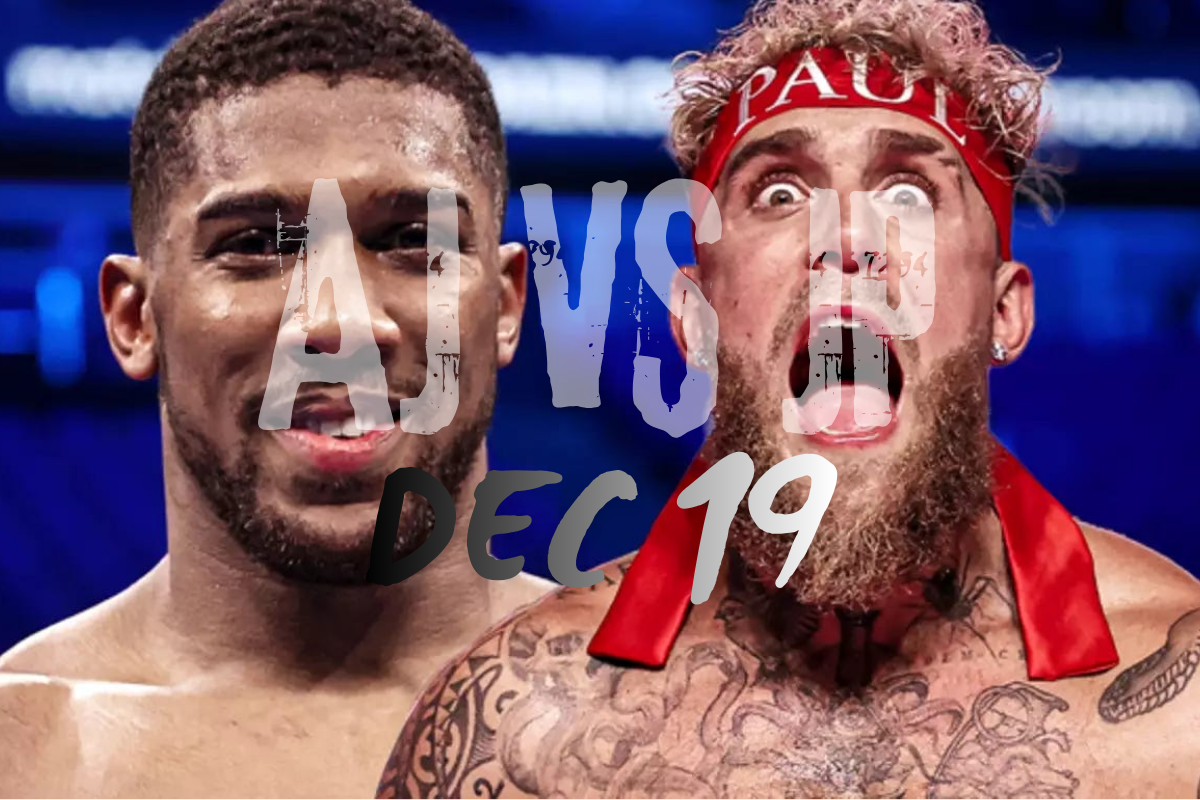
The reveal of the Jake Paul vs. Anthony Joshua fight instantly caught global attention, but not for the reasons promoters expected. On one side is a digital-era showman who has built a boxing career through spectacle; on the other, a former unified heavyweight champion with Olympic credentials. Their pairing raises questions about how far the sport is willing to stretch its boundaries for viewership.
Industry figures have not hidden their frustration. Dana White labelled the concept “a f***ing bad idea,” while David Haye went further, saying he fears for Jake Paul’s safety. These reactions highlight the growing tension between entertainment and athlete protection — a dilemma that now sits at the core of modern boxing.
The matchup reflects a sport that is evolving, fractured, and increasingly shaped by marketability rather than rankings.
How a Digital Era Clash Became Reality – Jake Paul Anthony Joshua
This fight was never the product of a logical competitive path. Instead, it grew out of the intersection of social media relevance, commercial opportunity, and timing. Celebrity-heavy matchups have been gaining traction, and Paul continues to represent a revenue engine too powerful for broadcasters to ignore.
For context, here is a snapshot of their recent competitive landscape:
The contrast is stark.
Joshua is navigating a rebuild after injury and a KO loss to Dubois. Paul, meanwhile, shifted from cruiserweight exhibitions to a heavyweight spectacle once the Gervonta Davis exhibition collapsed. These paths converged not through sporting merit, but through a cultural moment shaped by streaming giants and crossover appeal.
Examples from the past highlight the shift:
• Logan Paul vs. Floyd Mayweather (a commercial success despite the mismatch)
• Conor McGregor crossing into boxing for Mayweather
• KSI’s bouts mainstreaming influencer boxing
This new era has created opportunities — but also unpredictable risks.
The Physical Reality Behind the Mismatch – Jake Paul Anthony Joshua
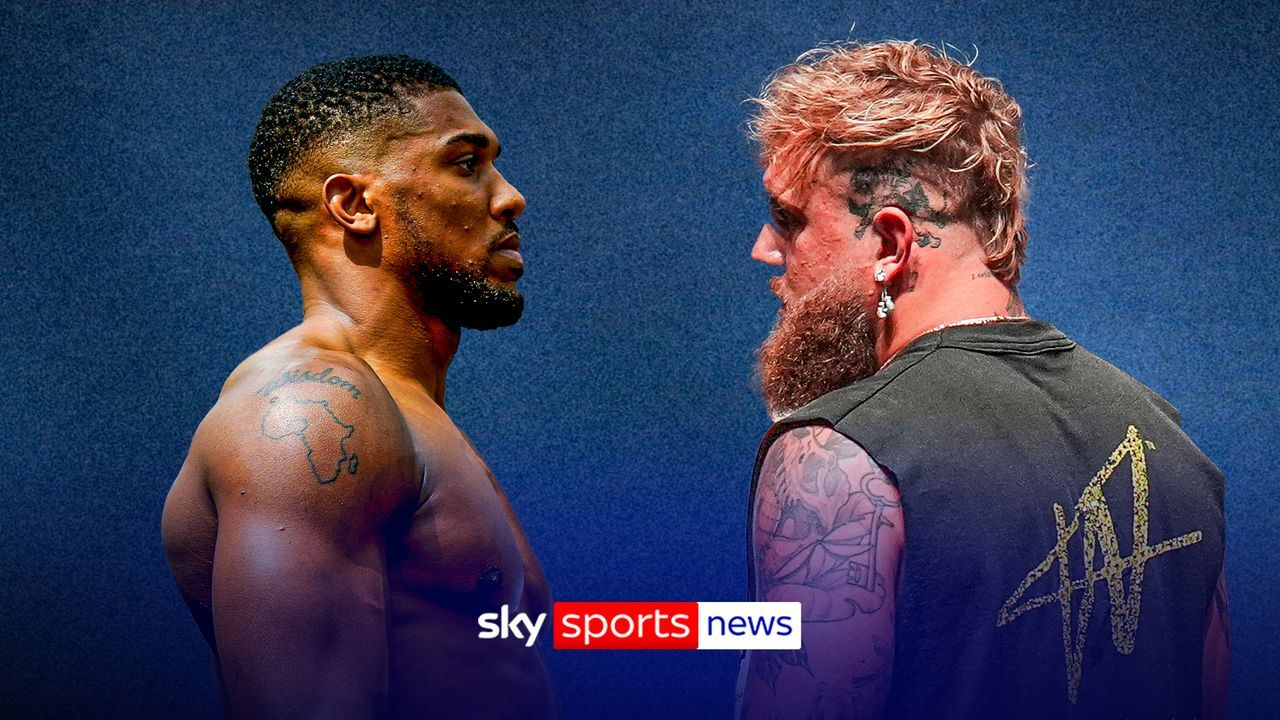
While promoters lean on narrative, analysts have focused on the physical and competitive gap between the two fighters. The numbers reinforce their concern.
Joshua’s typical fighting weight sits around 251–252 lbs. Paul, even at his heaviest for the Tyson exhibition, was 227 lbs — still smaller, less tested, and lacking heavyweight pedigree.
This isn’t simply a difference in pounds; it’s a gulf in force, experience, and technical maturity.
Examples of the mismatch include:
• Joshua’s Olympic gold background vs Paul’s short amateur foundation
• Joshua’s history of championship rounds vs Paul’s limited exposure past mid-fight stamina
• Joshua’s size, reach, and knockout record compared to Paul’s cruiserweight build
Veterans like David Haye describe this dynamic as “a lion against a house cat” — not in talent alone but in the structural realities of heavyweight boxing. Derek Chisora, known for blunt analysis, said outright that Joshua “has to end it quickly,” hinting at how prolonged exchanges could endanger Paul.
Historically, drastic mismatches have led to serious outcomes, which is why the sanctioning approval has sparked debate across the community.
The Ethics of Profit vs. Protection

The broader controversy stems not from whether the fight is happening, but why. MVP, ESPN, and Netflix see massive commercial potential — a global spectacle that brings in audiences beyond traditional boxing fans. Yet the decision has revived conversations about whether the sport’s governing bodies are prepared to compromise safety to meet market demand.
Concerns include:
• Influencers bypassing ranking systems
• Traditional contenders losing main-event slots
• Sanctioning rules being stretched for promotional convenience
This shift shapes how the public interprets the sport. For casual fans, events like this may feel exciting or novel. But for committed followers, it signals a fading competitive structure — one where names matter more than qualifications and where spectacle can overshadow sporting integrity.
The longer this trend continues, the more pressure the sport faces to choose between entertainment and legitimacy.
What Happens If Paul Survives the Night?

The aftermath will depend heavily on how the fight plays out.
Best-case scenario for the business:
• High viewership
• A new wave of crossover fights
• Boxing expands into hybrid entertainment
Worst-case scenario for the sport:
• A major injury exposes systemic failures
• Joshua faces backlash for participating in an uneven contest
• Boxing loses credibility, further opening the door to MMA and bare-knuckle promotions
There is also a middle outcome, likely the most realistic: Paul loses decisively but remains unharmed. The event becomes another pop-cultural bookmark, fans debate its meaning online, and purists retreat while casual engagement grows. That shift in audience dynamics could influence which matchups get greenlit in the future.
Moments like these force boxing to confront its identity. Is it a competitive sport, an entertainment product, or something in between?
A Crossroads That Will Shape Boxing’s Future
Both fighters enter with motivations that explain how this spectacle became reality. Joshua sees an easier comeback route, a large payout, and a relatively low-risk opportunity to rebuild momentum. But it also carries a reputational burden — beating Paul proves little, while anything less could reshape his legacy.
Paul, meanwhile, continues a pattern of ambitious matchups built on confidence, marketing instincts, and a willingness to push boundaries. Whether it’s bravery or overreach depends on perspective, but the danger is undeniably real.
Ultimately, the Jake Paul Anthony Joshua fight captures a pivotal moment for boxing. It highlights a sport pulled between tradition and transformation, between safety and spectacle, and between competitive purity and mass-market appeal.
Whatever happens on fight night, its impact will extend well beyond the scorecards.
FAQs
Jake Paul vs Anthony Joshua – FAQs
Q1: When and where will the fight take place? ▼
Q2: What are the fighters’ records and experience levels? ▼
Q3: What safety concerns exist for Jake Paul? ▼
Q4: Why is the fight controversial among boxing purists? ▼
Q5: How much money is expected to be involved in the fight? ▼
About the Author


