
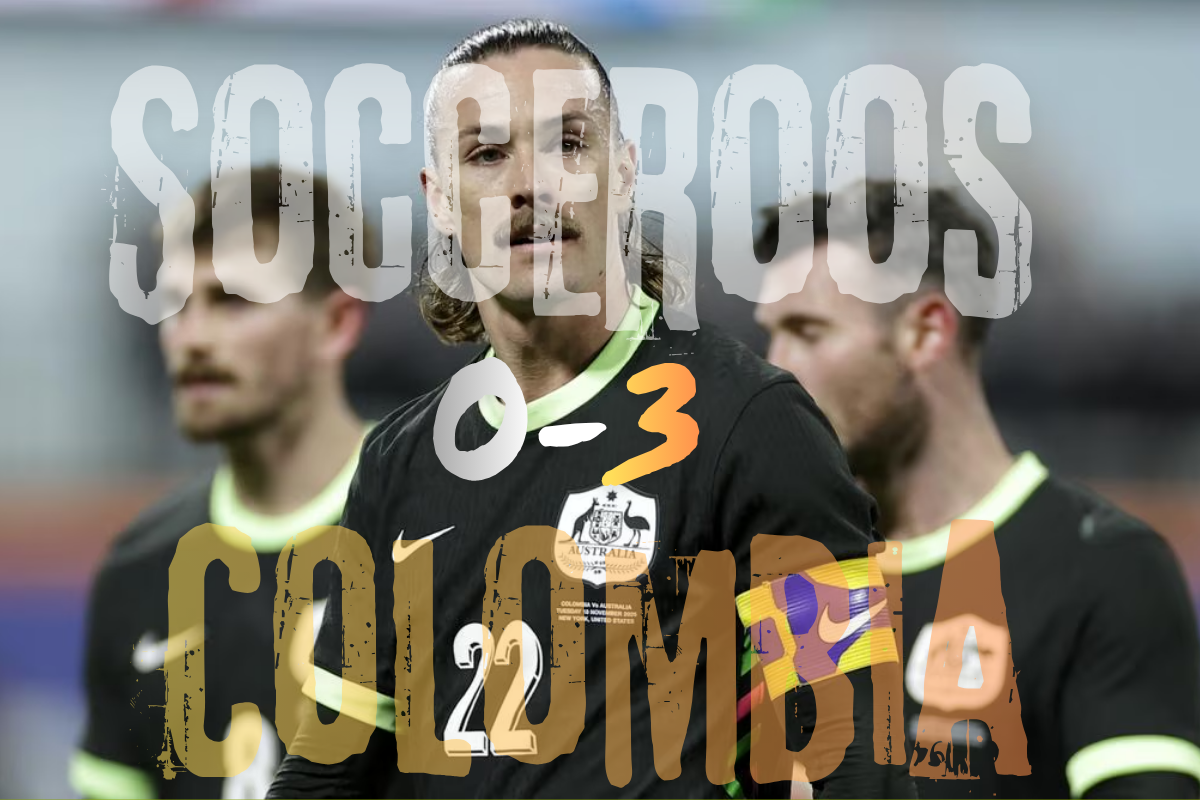
Socceroos vs Colombia : The Socceroos’ international friendly against Colombia in Bogotá turned into a testing encounter from the opening whistle. Colombia’s team quickly established control, pressing high and keeping possession to dominate the tempo. The early penalty, converted by James Rodríguez, amplified the pressure and set the tone for a night where Australia struggled to find rhythm.
Even with Jackson Irvine returning from injury, the Socceroos could not string together meaningful attacking sequences. Only two shots were registered, and just one found the target, highlighting the difficulty in linking midfield to attack. This result not only reflects the scoreboard but also underlines tactical gaps that Popovic must address before future fixtures.
Early Controversy and Match Statistics : Penalty Sets Momentum -Socceroos vs Colombia
The pivotal moment came early when the referee awarded a penalty for minimal contact, prompting Popovic to openly describe the call as “soft” and frustrating. James Rodríguez stepped up to convert, giving Colombia a 1–0 lead and placing Australia on the back foot.
Colombia’s control was evident in the match stats:
Match Snapshot
| Metric | Colombia | Australia |
|---|---|---|
| Goals | 3 | 0 |
| Shots | 16 | 2 |
| Shots on Target | 8 | 1 |
| Possession | 65% | 35% |
| Passes | 705 | 381 |
| Pass Accuracy | 91% | 83% |
| Fouls | 16 | 2 |
| Yellow Cards | 1 | 2 |
Key takeaways include:
• Colombia dominated possession and limited Australia’s build-up play.
• The penalty disrupted the Socceroos’ early plan, allowing Colombia to press more aggressively.
• Luis Díaz and James Rodríguez consistently found space behind Australia’s defensive line.
The stats reflect that while the penalty was significant, Colombia’s superiority extended beyond a single moment, shaping the flow of the game throughout.
Colombia’s Tactical Efficiency : Outpacing the Socceroos – Socceroos vs Colombia

Colombia’s tactical approach combined high pressing with precise transitional play. Midfielders Rodríguez and Mateus Uribe dictated the tempo, closing down spaces and recycling possession efficiently. Australia struggled to adjust, particularly in connecting their midfield with forwards such as Nestory Irankunda and Mitch Duke.
Problems for the Socceroos included:
• Limited attacking width, making it easier for Colombia to crowd central spaces
• Slower transitions, leaving forwards isolated
• Few creative options from fullbacks and wide players
A clear example was Colombia’s third goal. A turnover in the midfield allowed Luis Díaz to break into open space behind Australia’s defensive line and finish clinically, demonstrating the difference in technical execution and decision-making.
Australia’s Vulnerabilities — Structural Issues Beyond a Single Match
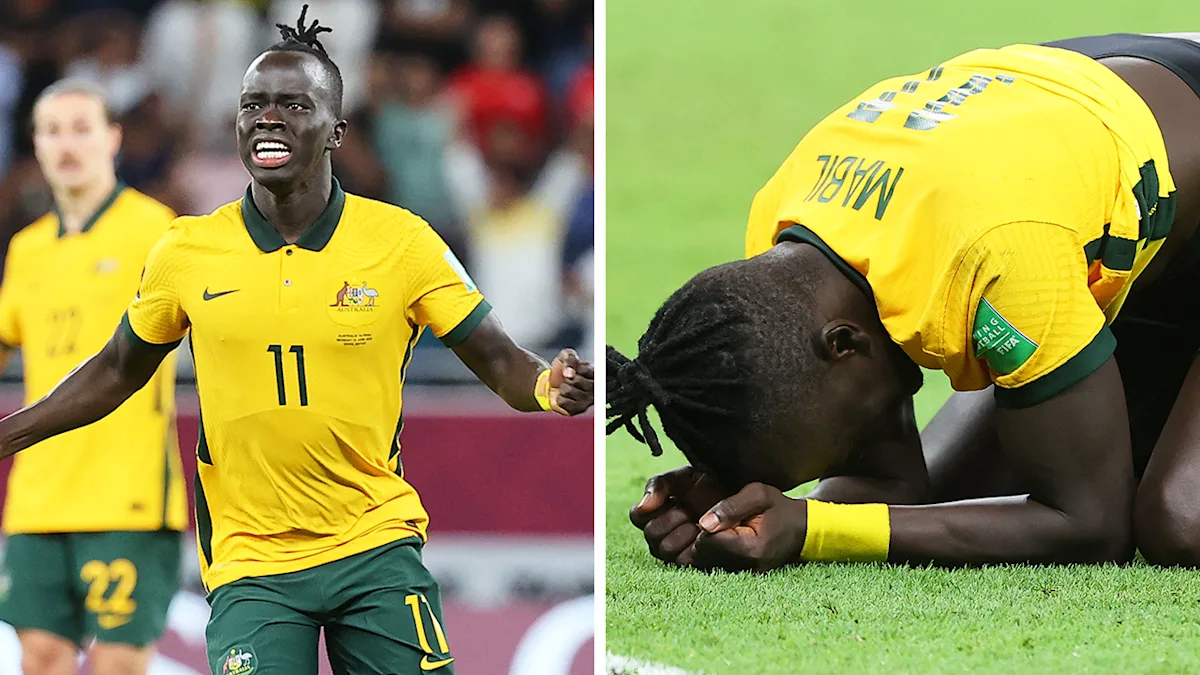
While the early penalty grabbed attention, deeper structural issues became evident. Defensive alignment and recovery were inconsistent, leaving gaps exploited by Colombia. The midfield struggled to regain possession, and the team lacked coherent attacking patterns to respond effectively.
Additional observations:
• Frequent loss of second balls under high pressure
• Difficulty creating sustained possession in the attacking third
• Minimal variation in attacking movement, allowing Colombia to anticipate patterns
For instance, Colombia bypassed the midfield repeatedly, exploiting spaces that the Socceroos failed to close, showing a lack of cohesion. Without corrective measures, these vulnerabilities may persist in future high-intensity games.
Popovic’s Post-Match Assessment — Calls for Accountability and Change
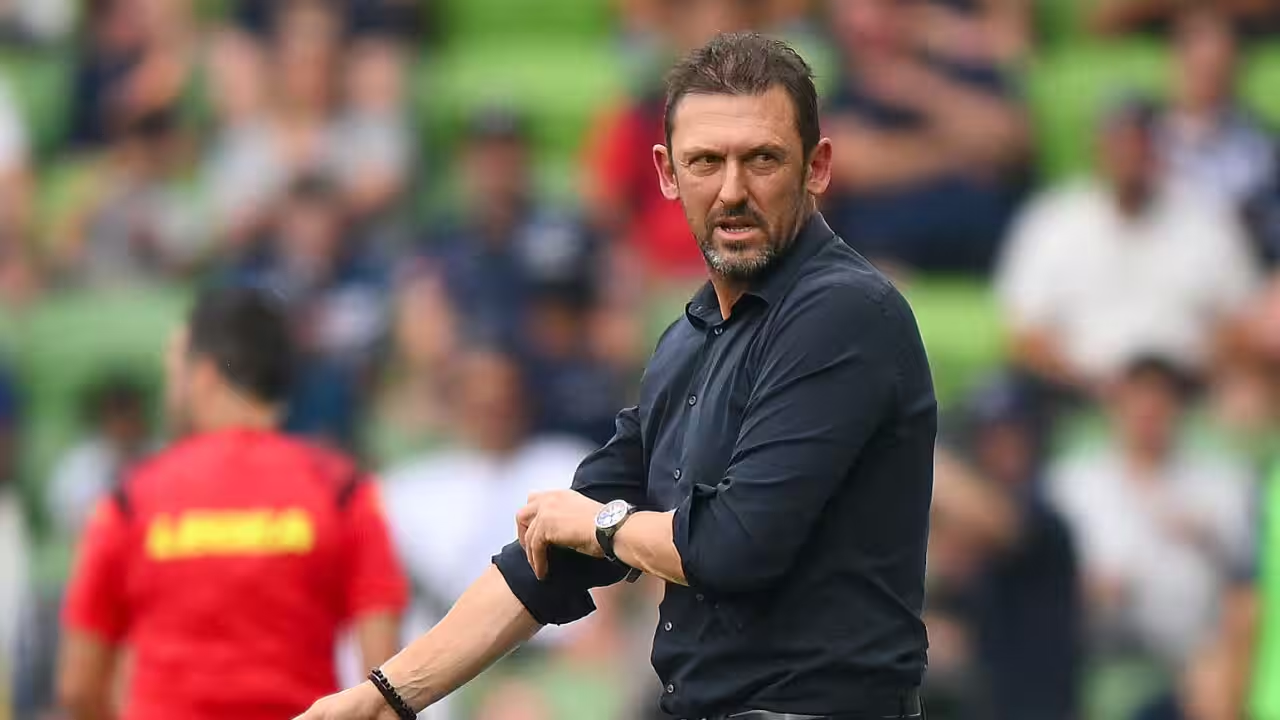
Tony Popovic addressed the controversial penalty but also emphasised broader concerns. He highlighted the need for improvement across multiple areas:
• Tightening defensive organisation and improving recovery speed
• Enhancing link-up play between midfield and forwards
• Increasing attacking movement to generate opportunities
Popovic framed the result as a learning opportunity. He encouraged players to respond quickly, correct mistakes, and prepare for upcoming fixtures. The focus is now on strengthening tactical cohesion and regaining confidence before the next international test.
Conclusion : A Wake-Up Call for the Socceroos – Socceroos vs Colombia
The Socceroos vs Colombia friendly highlighted two narratives: a contentious early penalty and Australia’s structural shortcomings. Colombia’s 3–0 victory reflected their tactical control and precision, while Australia’s performance revealed areas requiring urgent attention.
Looking ahead, Popovic’s team must address defensive lapses, boost attacking creativity, and improve cohesion to compete at a higher level. This defeat serves as a reminder that preparation extends beyond individual moments, and rebuilding confidence will be crucial for the Socceroos’ World Cup aspirations.
FAQs
Socceroos vs Colombia – FAQs
Q1: What was the turning point in the Socceroos’ 3-0 loss to Colombia? ▼
Q2: How did the Socceroos perform defensively during the match? ▼
Q3: Which Socceroos players showed some resistance in the game? ▼
Q4: How did Colombia finish the match strongly? ▼
Q5: What lessons did Popovic highlight after the defeat? ▼
About the Author


