
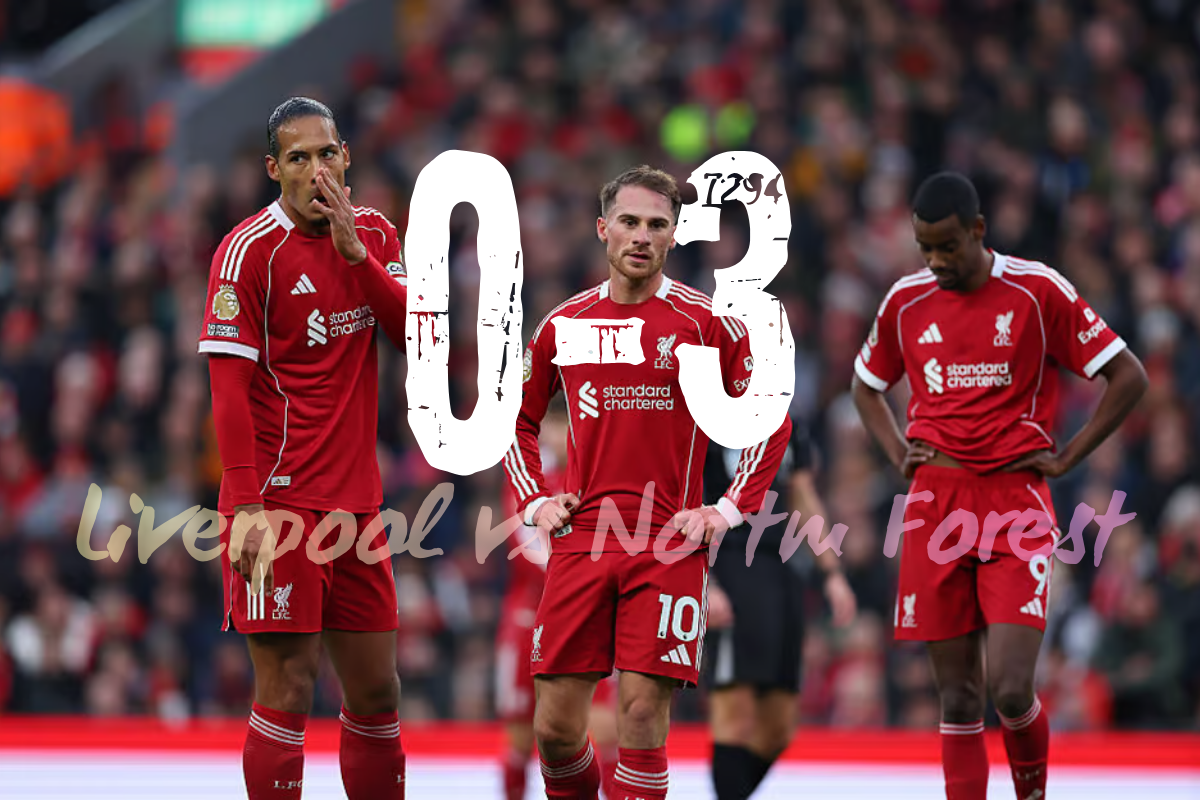
Liverpool entered the match desperately searching for stability, yet the evening quickly spiraled into another addition to the Liverpool crisis explained storyline. The champions, already reeling from five defeats in six league games, walked into Anfield with hope of a reset — only to be hit by one of the club’s most unexpected home results in recent memory.
Nottingham Forest, meanwhile, arrived with a different energy entirely. Sean Dyche has slowly rebuilt their confidence, and this match became the clearest example yet. Forest approached the contest without fear, pressing when necessary, defending in numbers, and attacking directly. The 3–0 final score shocked the Kop, but the performance behind it suggested intention, structure, and belief.
As early nerves rippled around the stadium, it became clear that this would not be a typical Anfield evening. By the end, it felt like a turning point no one anticipated — for both clubs.
Forest’s Gameplan: Discipline, Direct Play, and a Clear Identity – Liverpool crisis explained
Forest’s approach under Dyche has become recognisable: limit risks, win duels, protect the central spaces, and strike in transition. They executed that identity with precision. Liverpool had more of the ball, but Forest controlled the key moments — particularly second balls and transitional phases.
Examples of their effective structure included:
- Targeting Liverpool’s wide gaps with quick vertical passes
- Forcing Liverpool into slower build-up play to break their rhythm
- Compressing the midfield zone to nullify Mac Allister and Gravenberch
- Using Williams’ aggressive carries to launch counters
Liverpool, in contrast, looked caught between ideas. Slot’s 4-3-3 initially offered calm possession, but the structure faltered as soon as Forest intensified their pressure. Szoboszlai shifted between roles, Gravenberch dropped deeper than usual, and the defensive line drifted wider — all aiming to fix problems that never truly settled.
Tactical Comparison: How the Match Tilted
| Phase | Liverpool | Forest |
|---|---|---|
| Opening 20 Minutes | Controlled possession with little impact | Stable defensive shape, patient approach |
| Late First Half | Struggled to connect midfield to attack | Threatened on counters and set-pieces |
| Second Half | Lost defensive shape after restart | Clinical finishing, sustained momentum |
This tactical balance explained much of the match: Forest were clearer, sharper, and more resilient.
Decisive Moments: Set-Piece Trouble, VAR Angles, and the Fast Second-Half Blow – Liverpool crisis explained
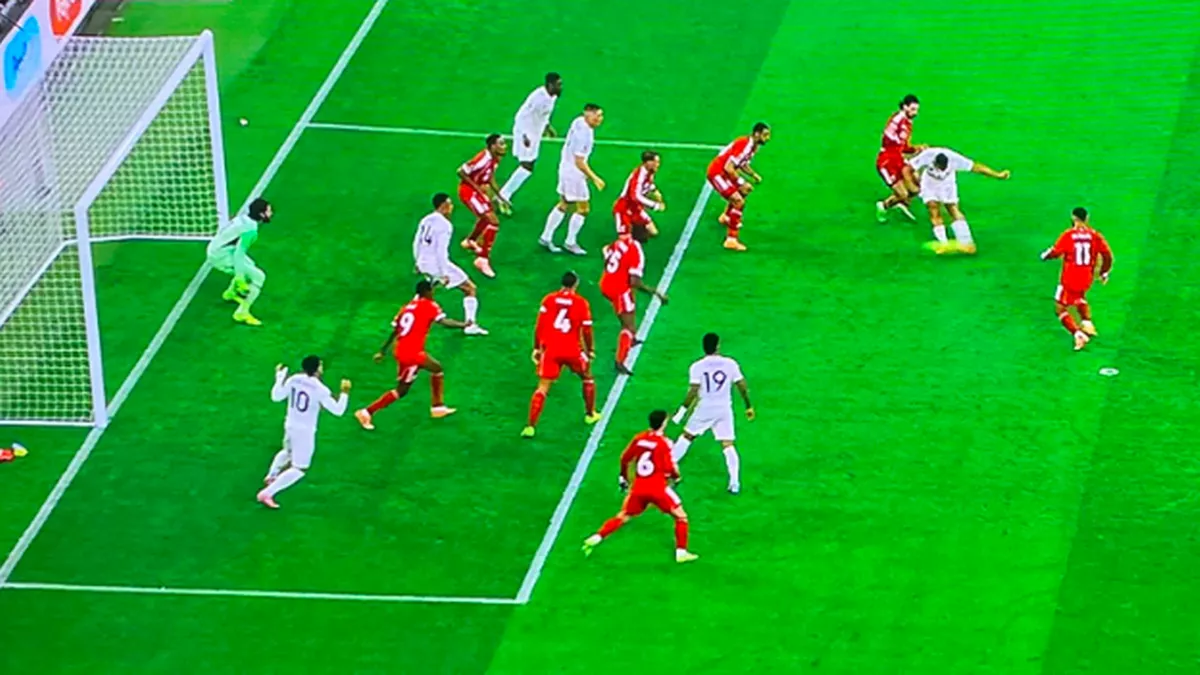
Liverpool’s recurring vulnerability at set pieces resurfaced early. Forest capitalised when Liverpool failed to reset during a second-phase scramble, allowing Murillo to fire through a crowded penalty area. Ndoye appeared close to Alisson’s line of sight, prompting an extended VAR check — but the goal stood. The decision drew frustration, not only for its impact on the scoreline but because it echoed recent officiating disputes Liverpool feel have gone against them.
The second half began even worse. Within 39 seconds, Forest doubled their lead. Williams surged forward unopposed, drifting across Liverpool’s half as defenders backed off. His pass into Savona, who ghosted in unmarked, reflected a defensive lapse in both concentration and shape.
By the time the third goal arrived — a sequence where Hutchinson beat Robertson before Gibbs-White finished the rebound — the tension in the stands had turned into resignation. Hundreds of supporters left early, an image that captured both disbelief and fatigue.
Player Impact & Statistical Signs of a Deeper Slide – Liverpool crisis explained
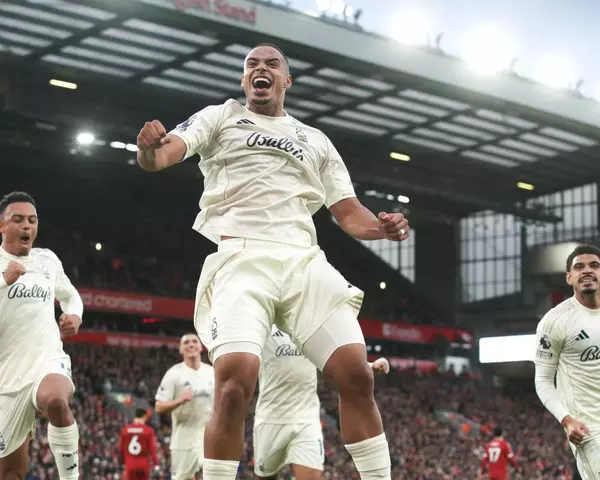
Liverpool’s individual displays summed up the broader struggle. Salah looked lively in the opening moments but faded as Forest closed off the central channels. Van Dijk and Konaté, usually reliable, appeared uncertain in their spacing, repeatedly dragged into wide areas they didn’t want to defend. Isak endured another difficult outing, losing all seven duels and ending the match without a notable attacking moment.
Forest, however, produced multiple standout performances:
- Murillo dominated defensively and scored the opener
- Williams constantly disrupted Liverpool’s structure
- Savona and Gibbs-White added sharpness in the final third
The trend lines behind Liverpool’s slump have grown clearer:
- Six defeats in seven Premier League games
- Just one win in their last matches at Anfield
- Back-to-back home losses by three goals for the first time since 1965
- 74% possession yet few meaningful chances created
The numbers are not just statistics — they are symptoms of a team struggling for direction.
What the Result Means: Pressure on Slot, Belief for Forest, and a Shifting Narrative
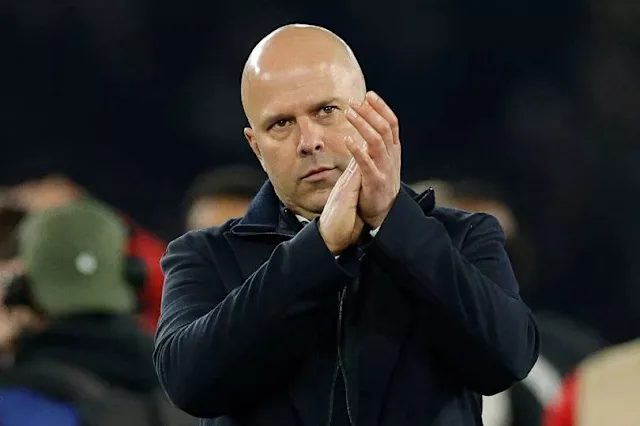
Arne Slot admitted frustration post-match, emphasising missed chances and lapses in concentration. But the issues stretch deeper. Liverpool’s defensive structure has become inconsistent, their pressing lacks cohesion, and their reliance on moments of individual brilliance leaves them exposed when confidence dips.
Forest, in contrast, look increasingly unified. Dyche’s simplified blueprint — disciplined lines, direct transitions, and clear roles — has lifted players who struggled under previous systems. With back-to-back wins and a climb out of the relegation zone, their season has taken on renewed promise.
Emotionally, the gap between both teams was visible. Liverpool played with hesitation; Forest played with conviction. Van Dijk acknowledged the mood inside the dressing room as “very bad,” reflecting how the defeat hit internally as hard as it did publicly.
Conclusion: A Result That Could Redefine the Premier League Picture
Nottingham Forest’s 3–0 triumph at Anfield goes beyond the scoreline — it exposed a Liverpool side battling form, structure, and belief. It also showcased a Forest team embracing a clear identity at a crucial stage of the season. As conversations grow louder across the league, this match will be remembered as a defining moment in the Liverpool crisis explained narrative.
Whether Liverpool can stabilise and rebuild their title defence, or whether this becomes the symbol of a larger decline, will shape the months ahead. But for now, this night stands as a dramatic shift in momentum — one that neither side will soon forget.
FAQs
About the Author


