The gaming industry in 2026 feels like a high-stakes arena where every major genre is fielding a championship-level contender. Rather than competing for the same audience, these titles are carving out distinct territories, forcing players to choose between expansive social simulations and tight, atmospheric nightmares. When we look at the Top5 Epic Games 2026, the diversity is striking; we see a clash between established sequels and experimental new ventures. This year isn’t just about which game sells the most, but which design philosophy—open-world freedom or curated narrative tension—will define the mid-decade gaming experience.
| Feature | Open-World Titan (GTA VI) | Gothic Combat (The Duskbloods) | Narrative Horror (Directive 8020) |
|---|---|---|---|
| Primary Appeal | Cultural Satire & Scale | Technical Mastery & Difficulty | Cinematic Choice & Dread |
| Player Interaction | Sandbox Autonomy | Aggressive PvPvE | Tactical Survival Tools |
| Platform Focus | High-End Consoles | Nintendo Switch 2 | Multi-Platform PC/Console |
Grand Theft Auto VI vs. Marvel’s Wolverine: Two Shades of Action
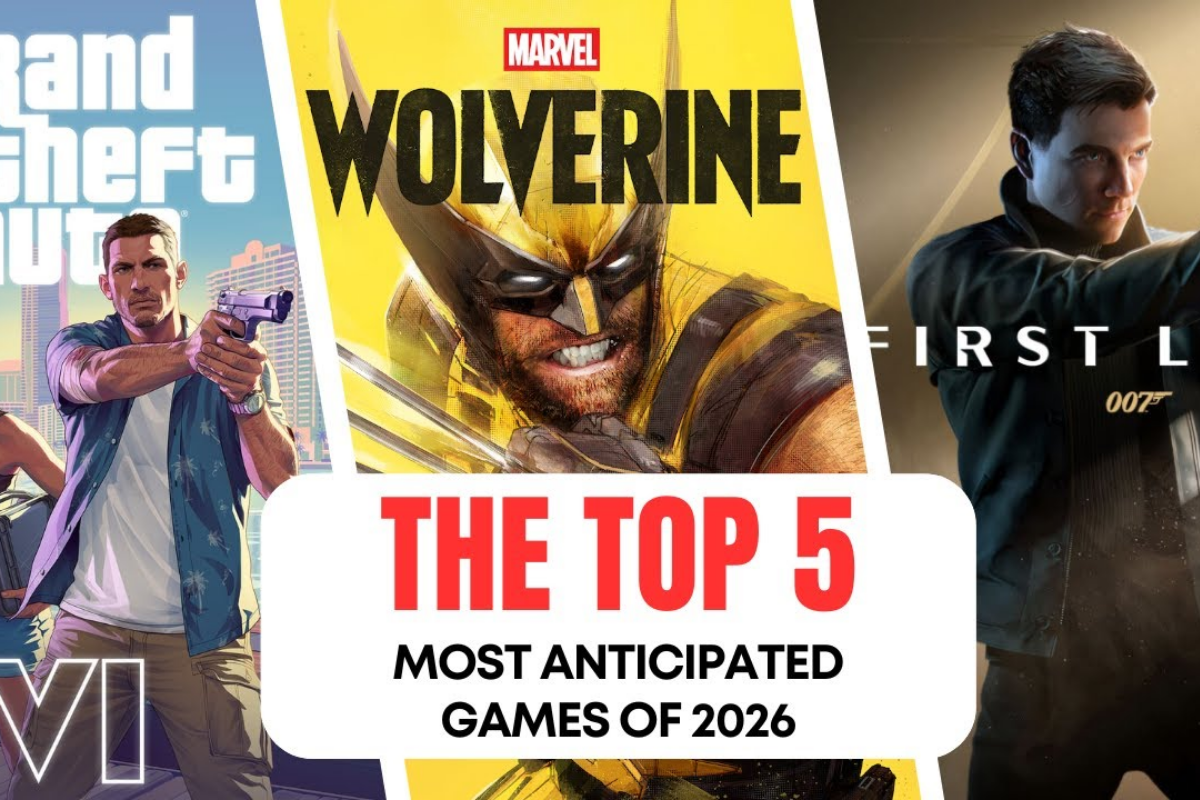
Comparing these two powerhouses reveals a fascinating split in the action-adventure category. While both are technical marvels, they target entirely different player emotions. GTA VI offers a “wide” experience—a massive, living Vice City where the player’s agency is spread across driving, social interaction, and heist planning. In contrast, Marvel’s Wolverine is a “deep” experience. Insomniac is trading the sprawling web-swinging of New York for a more linear, focused, and violent character study.
- Scale vs. Precision: GTA VI focuses on the macro (the city, the economy), while Wolverine focuses on the micro (the physics of a claw strike, the grit of a bar fight).
- Tone: One is a vibrant, neon-soaked satire of modern American life; the other is a dark, isolated journey into the psyche of a feral mutant.
- Release Strategy: Rockstar targets a universal “cultural event” status, whereas Insomniac is building a prestige PlayStation exclusive that leans into mature, R-rated storytelling.
Evaluating the Top5 Epic Games 2026 Horror Evolution
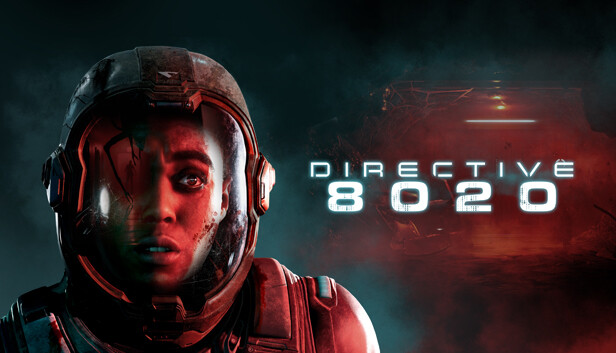
The horror genre is currently a battleground between two distinct styles: the “Action-Horror” of Resident Evil Requiem and the “Survival-Thriller” of Directive 8020. Capcom’s latest entry is a sprawling AAA epic that blends nostalgia with high-octane mechanics, such as the ability to swap perspectives on the fly. It feels like a celebration of the franchise’s history. Meanwhile, Directive 8020 by Supermassive Games strips away the comfort of the familiar, pushing players into a cold, sci-fi setting where resource management and “permanent death” are the primary sources of tension.
- Combat vs. Evasion: Resident Evil equips players with a legendary arsenal to fight back against the mutated Raccoon City, while Directive 8020 emphasizes the use of utility devices and stealth to survive the void of space.
- Atmosphere: One utilizes post-nuclear, urban decay; the other utilizes the claustrophobia of a malfunctioning spacecraft.
The Duskbloods vs. Resident Evil: A New Kind of Challenge
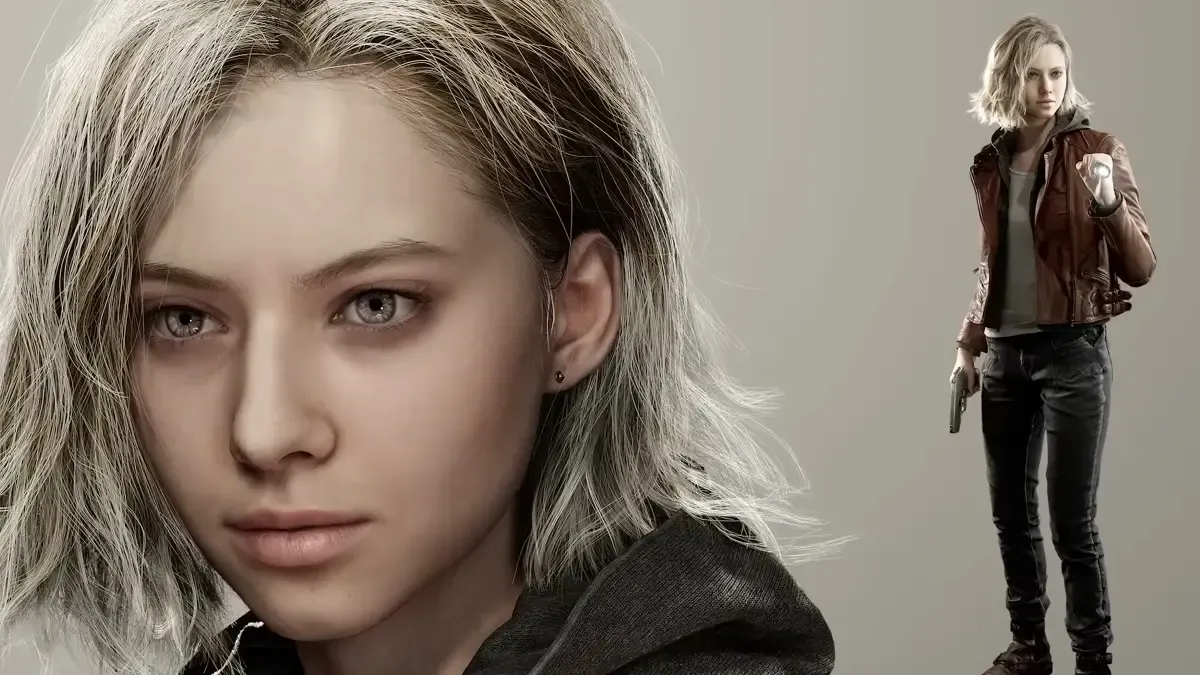
In a head-to-head comparison of tension, FromSoftware’s The Duskbloods and Capcom’s Resident Evil Requiem offer two very different types of “stress.” Resident Evil relies on jump scares and resource scarcity. The Duskbloods, however, introduces the “Bloodsworn” mechanic, where the pressure comes from the presence of other players in a shared world. As a flagship title for the Nintendo Switch 2, The Duskbloods is competing to prove that a handheld experience can be just as demanding and “epic” as a traditional home console blockbuster.
- Multiplayer Integration: FromSoftware is leaning heavily into 8-player connectivity, whereas Resident Evil remains a primarily intimate, single-player journey.
- World Design: The Duskbloods focuses on a Gothic, interconnected labyrinth, while Resident Evil Requiem explores a more open, ruined city environment.
Analyzing the Technical Frontiers of the Top5 Epic Games 2026
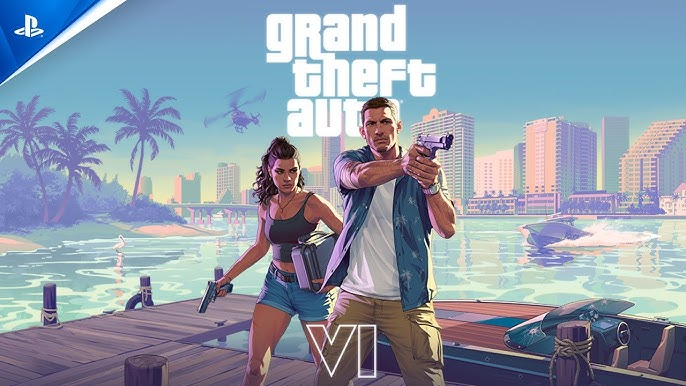
When we compare the technical foundations of these titles, we see a clear divide in how “immersion” is achieved. Grand Theft Auto VI is investing heavily in social AI and environmental density to make Vice City feel real. On the other end of the spectrum, games like Directive 8020 are utilizing the latest Unreal Engine features to create cinematic realism that rivals big-budget films. This technological arms race is beneficial for the player, as it ensures that whether you are playing an RPG or a narrative drama, the level of visual fidelity is consistently groundbreaking.
- AI Density: GTA VI is rumored to feature the most complex NPC schedules ever seen in gaming.
- Survival Mechanics: Directive 8020 introduces wrist-based utility gadgets that act as a diegetic UI, keeping the player immersed in the world without traditional menus.
- Platform Optimization: The contrast between the PS5-exclusive Wolverine and the Switch 2-optimized Duskbloods shows how developers are tailoring their tech to specific hardware strengths.
Defining the Winner of the 2026 Gaming Season
As we reflect on these comparisons, it is clear that 2026 does not have a single “best” game, but rather a collection of masterpieces tailored to different playstyles. For those seeking a cultural phenomenon, the return to Vice City is the obvious choice. For those craving tactical dread or punishing combat, the offerings from Supermassive and FromSoftware provide a perfect alternative. The Top5 Epic Games 2026 represent the pinnacle of their respective sub-genres, ensuring that no matter what kind of player you are, this year offers a definitive, “epic” experience that will be discussed for the rest of the decade.
About the Author